



Delta Connection DL3543 Emergency Landing: What Is It? When Did It Happen? 

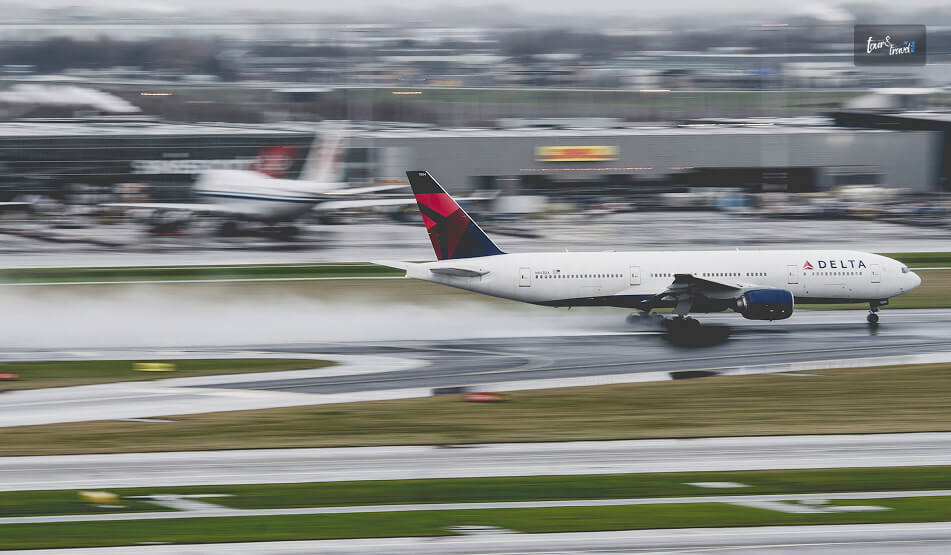
Delta Connection DL3543 emergency landing happened on 7th July, 2025. A pressurization-related issue happened, and the flight returned to Minneapolis immediately after takeoff. 

It was a safe landing as the crew took all the necessary precautions. Furthermore, there were no reports of injuries. 

However, when the news of the Delta Connection DL3543 emergency landing surfaced, people were worried. It is obvious because any emergency landing or any technical fault in the air is unsettling. 

In this context, we want an honest explanation and a realistic understanding of how aviation safety works. It is especially important for us, who are always on the move and have to take short and long flights. 

Hi, in today’s blog, I will talk about the Delta Connection DL3543 emergency landing incident and explain what happened and why the crew had to make an emergency landing decision. 

Moreover, I will have a thoughtful and clear discussion about what this emergency landing meant for passengers. 

What Happened With The Delta Connection Flight DL3543?

An in-flight emergency was declared on Delta Connection flight DL3543 on 7th July 2025, a little after takeoff. 

So, it had to return to Minneapolis–St. Paul International Airport (MSP). The flight was flying to Chicago from Minneapolis. However, it returned immediately so that the aircraft could be inspected properly on the ground. 

Fortunately, the passengers had a safe and usual disembarkation thanks to the planned, controlled, and precautionary landing. Moreover, there was never a loss of control. 

Why Was The Delta Connection DL3543 Emergency Landing Declared? 

Why Was The Delta Connection DL3543 Emergency Landing Declared

As I have mentioned, pressurization-related issues were the reasons behind the landing of the DL3543 aircraft. 

When a plane goes up, the aircraft’s pressurization systems maintain or control the air pressure in the cabin. 

Furthermore, there is a sensor to read the air pressure. When the sensor reads the air pressure outside the desired limits, it is a serious technical concern. 

The plane can still fly smoothly under this condition. However, the pilot has to take immediate action based on the reading. 

In other words, the pilot does not take unnecessary risks by flying the plane in this situation. Moreover, when the crew declares an emergency, it helps them to take the following safety measures. 

  • Emergency Landing for Safe Disembarkation and Inspecting the Aircraft
  • Emergency Handling from Air Traffic Control
  • Having the Emergency Services as a Standby. 

However, when pressurization-related issues occur and lead to an emergency landing, there is no need to panic. 

An emergency landing is a part of the discipline and training of the aircraft crews. 

What Does An Emergency Landing Mean? 

An emergency landing is not as dramatic as we see in movies and series. An emergency landing in commercial aviation may indicate a lot of things. Those are:

  • A Medical Issue Happening with a Passenger
  • Any “Cabin System Alert”
  • A Warning about Technical Faults that Need Inspection
  • And, A Sensor Reading Outside the Limits. 

In most cases, emergency landings happen as precautionary measures. In such situations, the aircraft is in full control. 

However, the pilot and the crew members want to eliminate the uncertainty and get back to the ground as soon as possible as a safety measure. 

This same process or discipline is followed for the landing of DL3543.

Why Did The DL3543 Plane Return To Minneapolis? 

Returning to the Minneapolis Airport was the most efficient and safest choice after some pressurization-related issues happened. 

Also, when the plane returned, the Minneapolis Airport offered the following assistance.

  • Readiness for Emergency Response
  • Immediate Help from the Maintenance Teams
  • Quick Passenger Assistance and Prompt Rebooking
  • Familiar and Safe Runways with Adequate Ground Operations 

The pilot and crew could avoid the complexity and risks related to the pressurization issues thanks to the emergency return and landing.

Who Operated The Delta Connection DL3543?

Who Operated The Delta Connection DL3543

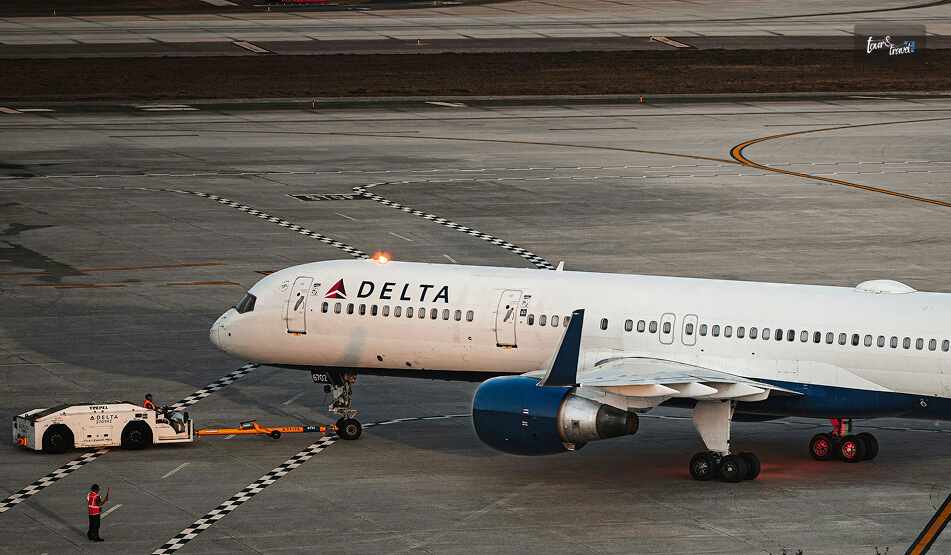
Endeavor Air operated the Delta Connection DL3543 flight. It is a subsidiary of Delta Air Lines. 

As a regional subsidiary, it follows the same safety oversight, federal regulations, and training standards as Delta Airlines. 

So, there is no deviation in the standards for passenger safety. 

What Did The Passengers Experience On Board? 

The passengers experienced calm and clear communication from the pilot and the crew. So, though a little panic was obvious, the situation was under control. 

Furthermore, they had a shorter flight and a shorter descent than expected. Moreover, there was a brief waiting period before the inspection began. 

All the actions were aligned with standard protocols, and they were well-rehearsed.

What Happened After DL3543 Made A Safe Emergency Return? 

When Delta Connection DL3543 made a safe and emergency return, it was no longer in service, and an immediate inspection took place. 

Then, the maintenance teams checked the problematic system. 

In such cases, the aircraft can only return to service if the maintenance teams issue clearance. It was the same with DL3543. 

So, the passengers got the rebooking for the previous flight. Also, they got this priority service without additional charges, according to the policies of the airlines. 

Overall, when an aircraft makes an emergency landing, aircraft safety and passenger care get the most importance. 

Why Should The Incident Of Delta Connection DL3543 Emergency Landing Reassure Air Travelers? 

Why Should The Incident Of Delta Connection DL3543 Emergency Landing Reassure Air Travelers

You must not take the case of DL3543 Emergency Landing as a failure. It shows how the aviation industry is sincere about its safety culture. 

Once the crew noticed a potential issue, they practiced precaution, clearly communicated the issue to the passengers, and planned an emergency landing. 

This proactive measure ensured the safe disembarkation of the passengers. 

Moreover, the proactive measures of the crew members show why commercial aviation is one of the best and safest modes of transport in the world.

Delta Connection DL3543 Emergency Landing: Establishing The Practice Of Caution Over Convenience 

Delta Connection DL3543 emergency landing is all about being confident about the safety measures of commercial aviation and getting rid of fear. 

It also shows why prevention is always a smarter choice than reaction. 

Furthermore, pilots have the training to land an aircraft as fast as possible, the moment they find anything wrong. It is a no-question-asked practice. 

Moreover, this is the mindset that saves many passengers every day without making headlines. 

Delta Connection DL3543 Emergency Landing: Frequently Asked Questions (FAQs)

Here are the frequently asked questions and answers about the DL3543 emergency landing. 

1. Was The DL3543 Emergency Landing Hazardous? 

No, the DL3543 emergency landing was not hazardous. It had a safe landing thanks to the proactive measures taken by the pilot and crew members for an emergency landing. 
Also, all the passengers disembarked safely and got a rebooking of the next flight at the Minneapolis Airport. 

2. Is Delta Connection Not As Safe As The Mainline Delta Flights? 

No, Delta Connection is as safe as the Mainline Delta flights. As a subsidiary, Delta Connection follows the same aviation policies and safety guidelines. 
You can take the case of the DL3543 emergency landing as an example. No chance was taken to ensure a smooth emergency landing and safe disembarkation of passengers.

3. Does A Pressurization Issue Make The Plane Unsafe?

No, a pressurization issue does not make the plane unsafe. Some alerts are related to the sensor, and they are minor issues. 
However, as part of the safety practice, a pilot usually plans an emergency landing to ensure the safety of the aircraft and the passengers.

4. Why Were Emergency Vehicles Present After The DL3543 Emergency Landing?

The DL3543 aircraft had an emergency landing, and in such cases, emergency vehicles are automatically present for easy access. 
So, the presence of the emergency vehicles was part of the precautionary measures and standard practices.

5. Is A Detailed Public Report Issued On Emergency Landings? 

There is no mandatory rule to issue a public report on an emergency landing. If the issue is severe and people are harmed, the airlines, of course, will issue a public report. 
However, in cases such as the DL3543 Emergency Landing, a public report on findings may not be released. 

Read Also:

Share on Social Media

Sibashree is a travel, culture, and leisure writer who has been writing since the age of 12 and professionally since 2014. With more than a decade of travel writing experience and journeys across India and several parts of the world, she brings a deeply personal and thoughtful perspective to her work. A student of English Literature and Mass Communication, Sibashree has always viewed travel as more than movement — for her, it has been a way of understanding people, cultures, and herself. Her passion for spiritual exploration has also led her to many unusual and meaningful destinations over the years. Outside of writing, Sibashree enjoys watching European cinema, reading about global politics, and reflecting on the stories hidden within everyday places.

Leave a Reply

Your email address will not be published. Required fields are marked *

title-img Related

READ MORE Travel with an Electric Bike

Travelling With Your E-Bike: How To Prepare For A Trip Or A Flight

BY  Sibashree Aug 28, 2025

Taking your e-bike on a trip sounds awesome, right? Whether you’re heading off on a cycling holiday, taking your electric bike to explore new trails, or simply bringing it along for a weekend away, travelling with your ride can open up exciting possibilities. Travellers love to travel. However, ironically, travelling causes carbon emissions. Therefore, people should ensure that they travel without harming nature. Nature lovers often stay in this dichotomy while travelling. They often fear that the toll of their travel will fall on nature. However, when you travel with an electric bike, you stay confident that no matter what happens, you will not be emitting carbon.  But, yeah… there’s a catch. Traveling with one can be a bit of a headache. Batteries, packing, weight limits, all that stuff. Still, if you plan ahead just a little, it’s not so bad.  Moreover, your bike will get there in one piece, and you’ll be ready to ride without drama. Let’s go over what actually matters. Understand The Rules Before You Go First thing—rules. Every airline, ferry, train company, you name it—they’ve all got their own take on e-bikes, especially the batteries. Lithium packs are where the real limits are. Some places want them off the bike, others only allow certain sizes.  And here’s the kicker: it changes country to country. Something fine in Spain might be banned in Canada. The only safe bet? Ask your carrier before you go. Better yet, get their answer in writing.  Saves you from awkward moments at check-in where they suddenly say “nope.” The cargo companies and other subjects subject Lithium batteries to scrutiny and regulation, as there is always a chance of these battery packs catching fire. Hence, the travellers should get everything checked in the first place, as it will prevent any sudden problems while shipping. Thus, travellers should get everything on paper while they travel with an Electric Bike. 1. Preparing Your E-Bike for Travel Think of this as a quick health check. Brakes—good? Tyres inflated? Chain oiled? Electronics behaving? If something feels off, fix it now, not halfway through your holiday. For the battery, don’t leave it full or empty—half-ish charged (30–60%) is the sweet spot. Most travel rules want it removed anyway. Moreover, strip off extras like mirrors, lights, bells… anything that sticks out. And honestly, give the bike a quick clean. Dirt might seem harmless, but some countries are strict on biosecurity. Moreover, the last thing you want is customs giving you grief over a muddy tyre. Plan out the spots for charging and halts while you travel on your bike. 2. Packing Your E-Bike Safely How you pack decides how your bike comes out on the other end. Hard-shell case? Best protection, but heavier. Soft padded bag? Lighter and easier to stash, just not quite as bombproof.  Moreover, inside, pad everything. Wrap delicate bits, lock down the bars, pedals, and wheels so nothing shifts. Tape or foam is your friend here. Don’t forget to tag it with your name and number, maybe toss on a “Fragile” sticker. Won’t guarantee gentle handling, but hey—it’s worth trying. Gentle handling at the airport has always been a super myth. However, people should ensure that they get plenty of padding to prevent their bikes from getting unnecessarily damaged.  3. Tips For Travelling By Car Or Train Road and rail are a bit easier. For cars, you’ll need a rack strong enough for e-bike weight (don’t assume a cheap one will do). If it’s exposed, cover it.  Rain, dust, and even little stones from the road can mess things up. Inside a car? Strap it down so it doesn’t bounce around. Trains… well, they’re hit or miss.  Moreover, some have bike spots, some don’t. Check before you get to the station—it’s no fun trying to squeeze an e-bike into a crowded carriage last minute. Cover your e-bike when it is exposed to a car. Moreover, you should not depend on the weather.  4. Flying With Your E-Bike Flying’s the tricky part. Airlines are strict about batteries. Big ones often aren’t allowed in checked luggage.  Sometimes you can carry it separately, sometimes you need to ship it. Either way, don’t wing it—talk to the airline weeks ahead, not days.  Pack the bike in a proper travel case, keep it under their weight limits, and protect every part. Once you land, take your time putting it back together.  Better to double-check than to find out a brake cable snapped on your first ride. 5. Extra Gear To Bring Along A few small tools can save your trip. Toss in a multitool, tyre levers, mini pump, maybe a spare tube or two.  Charger’s a must, plus an adapter if you’re heading abroad (easy to forget). A little cleaning cloth or kit helps too, especially after rainy rides.  Nothing fancy—just enough to keep things running smoothly. Moreover, ensure that the entire thing remains in control so that your trip does not get ruined just because of a missing spare. Travelling with an electric bike always demands carrying extra spares with you to ensure proper safety. 6. Common Mistakes To Avoid The stuff people forget is usually simple. Don’t leave your battery fully charged before storing—it wears it out faster.  Watch those weight limits; e-bikes aren’t light. Skip insurance? Big mistake. And honestly, the worst habit is last-minute packing.  Moreover, you rush, something gets left behind, or worse, you break something trying to jam it in. Seen it happen more than once. Remember This Before You Travel With An E-Bike  Bringing your e-bike along is worth it—you get to explore new places on your own wheels. Yeah, it takes some planning, but once you’ve done it, it feels easy.  Moreover, a bit of prep now means a smooth trip later, and you’ll roll off ready to ride instead of stressing about what survived the journey. However, travelling with an e-bike is cost-effective. Hence, the travellers leverage the liberty to go anywhere at any point in time. People should understand that they get some of the best results while travelling. Read Also: 8 Things You Need To Know About Using E-Bikes For Your Hunting Adventures Maximizing Thrill: Expert Advice On Off-Road Motorcycle Rentals


READ MORE card-img

Florida Dreams: RV Camping Along the Sunshine State’s Shore 

BY  Abdul Aziz Dec 30, 2023

There's no denying that Florida's beaches have a certain magic. They can transport you to Madagascar or the Caribbean. They replicate the stunning blue water, white sand beaches, and swaying palm trees quite well. This article is for you if you're thinking about taking an RV vacation to Florida. The top RV camping on the beach in Florida are listed here. They are well-known for their friendliness and offer a plethora of amenities. Not to mention all the thrilling water sports they provide, like jet skiing, surfing, and paddle boarding. If you want to learn more about RV camping on the beach in Florida, keep reading.  RV Camping On The Beach In Florida: Are They Safe?  Indeed, camping in Florida's RV parks is quite safe. The majority of them have security personnel stationed at the gates. All campers are asked to abide by park regulations, and trespassing is strictly prohibited. Since these properties are kept up properly, there is very little chance of anything going wrong. However, when visiting an RV park, it's advisable to exercise caution and take the required safety measures. Where Can You Camp  There are both public and private campsites on several Florida beaches. You can park your RV, pitch a tent, or reserve a spot. In addition, you can camp overnight on a few beaches on Anclote Key, Shell Key, and Keewaydin Island without a permit. Some beaches, however, do need a permit. Many locals reside near the beach, so an unwelcome camp or van close by will not be appreciated. Examine the local laws before making the final decision.  RV Camping On The Beach In Florida  Your search for RV camping on the beach in Florida ends here. These are the top beachfront RV parks in Florida: Key Largo Kampground  Key Largo Kampground is the ideal camping location in the Florida Keys for your whole family, featuring a large beachfront campground and an expansive marina. 171 of the campsites are designed to accommodate both tents and RVs. Every RV site has full hookups and is large enough to fit rigs up to forty feet. In addition, there are heated swimming pools, shuffleboard courts, basketball courts, horseshoe courts, and laundry facilities. Park your personal boats at a boat slip if you are bringing them. If you plan to rent a motorized boat, you can also use the boat ramp. Key Largo Kampground is not just an RV park along the beach. It is 40 acres long, with mangroves and tropical vegetation next to the Atlantic Ocean. You can see the foliage come to life every spring when the flowers bloom. Key Largo is well-known for being the world's diving capital, home to more than 25 dive shops and charters. It's among the greatest locations in Florida for ocean fishing, scuba diving, and snorkeling because of the coral reef and the warm water. Some other popular water sports among RVers are kite boarding and windsurfing. Pensacola Beach RV Resort  Located on Pensacola Beach's barrier island, Pensacola Beach RV Resort is a relaxed beach-side campground that doubles as a resort. It provides quick access to the remainder of the barrier island and has a view of Santa Rosa Sound. A home away from home is what the RV resort offers. Each campsite has connections for power, water, and sewer. There is a heated pool with a patio, chairs, and loungers in the middle of the resort. There's a clubhouse with showers and laundry facilities next to the pool. On the western edge of the beach, there's a Tiki bar offering refreshing cocktails and tequila. Take in the views of the coast as you relax and sip your preferred beverage. The ideal combination is sugar-white sand and crystal-clear light green water, which Pensacola provides. As soon as you get to the resort, you can head to the beaches and swim in the stunning Gulf of Mexico waters. Among the adventurous things you should put on your "to-do" list are snorkeling and surfing. Although the resort is not inexpensive, its excellent location and amenities make it worth the cost. The Standard RV sites cost $100 per day, and the Premium sites cost $130. Camp Gulf  Another RV camping on the beach in Florida is Gulf. Camping on the Gulf, sometimes referred to as Camp Gulf, is another opulent RV park situated on the Gulf of Mexico. It's close to Destin in northwest Florida at Miramar Beach, not Miramar City. There are 215 full hook-up RV sites in the park, many of which are close to Miramar Beach. Others are located by the swimming area or in a row between palm trees and palmetto bushes along the verdant pasture areas. In addition, there are cabins, beach houses, and rustic clamping tents available at Camp Gulf. Access to the beach is immediate if you camp at this RV park. It's far more private than public beaches because it's built on private property. Come to the Miramar beach with your sun loungers and take in the refreshing breeze. When you get back, enjoy a revitalizing shower in the RV park's spotless restrooms. You can take advantage of everything that Destin has to offer because it's close by. In fact, the quick availability of RV sites at lower prices is one of the main reasons why many campers choose to camp at Miramar Beach rather than Destin. However, Gulf Camp, a posh RV park in Florida, has somewhat pricey RV sites. Overnight rates range from $79 to $120. The tiny but well-equipped Turtle Beach Campground has plenty to offer. Sea turtles use this location, which is on Sarasota Barrier Island, as a base from May to October to lay their eggs. You will have the opportunity to view, albeit carefully, the nests of loggerhead and green sea turtles as well as the young. One of the few campgrounds in Florida with direct beach access is this 14-acre facility. At any time, you are free to exit your RV and stroll up to Siesta Beach. The sand is hard and white, and the beach is clean. Take a nap by the sunloungers or jump straight into the azure sea. There are 39 RV and tent-friendly campsites at this family-friendly campground. Every campsite has picnic tables and complete hookups. Within the campground is a coin-operated laundry and shower area. A game of horseshoes can be played on the playground. You are able to play your preferred sport in a number of pits that have an abundance of open grassy spaces. Siesta Key is five miles away and Sarasota is only nine miles away from the Turtle Beach Campground. The entire Sarasota barrier island, Serenoa Golf Club, and Oscar Scherer State Park are also close by tourist attractions. Matlacha  Matlacha is a small island in southwest Florida, home to the family-run beachfront RV resort Sugar Sand. Also, Matlacha a comparatively quiet area, is a hidden fishing treasure. State Road 78 crosses the island and leads to the resort from the Cape Coral-Fort Myers metropolitan area. The RV sites are located next to a sugar-sand beach with sea walls as soon as you enter the Sugar Sand resort. Complete hookups with picnic tables and Wi-Fi internet access are available for these. The resort is the starting point of the fishing expedition. Approach the spacious dock designed for boating. Take a ride through Matlacha Pass's busy waters by boarding one of the available boats. Catching the first fish by the hook would not take long. Alternatively, you may choose a more daring path and navigate Matlacha's backwaters by kayak. Kayak fishing is a popular activity for both locals and visitors. Think about going fishing at the Matlacha Pass Bridge if you don't want to enter the water. Because of the amazing catches that have been reported at the bridge over the years, it has acquired the title of "The Fishingest Bridge in the World." You will undoubtedly catch a tarpon, trout, or cobia. There are just ten sites at Sugar Sand Beach RV Resort. As a result, booking a site far in advance is advised. Starting at $100 per day, rates drop to $65 per day for monthly reservations. When looking for RV camping on the beach in Florida, Sugar Sand Beach ranks well above most. RV Park Rates In Winter  Because of its pleasant, tropical climate and abundant sunshine, Florida is referred to as the Sunshine State. The off-peak season runs from November through January, with February through May being the peak months. The temperature is in the neighborhood of 10 to 11°C. In the winter, it can cost anywhere from $20 to $100 per day at an RV park in Florida. RV sites are empty at that time of year due to a decrease in the number of RVers. These can be reserved at discounts of 20–30% or even 50%. Wrapping Up  It's time to start planning now that you have some amazing choices for the best RV camping on the beach in Florida! There is an RV park in Florida for everyone, whether your goal is to have an amazing adventure or just a peaceful place to disconnect and unwind. Make sure you learn everything there is to know about RV camping so that you can make the most out of this unusual way of traveling, whether you already own an RV, are looking to buy one, or are just planning a trip in one! Read Also: A Detailed Guide On Malaysia Bay – From Traveling To Outing Planning A Vacation To Bali? Read This Blog!

READ MORE Best Time to Visit Sydney

Seasonal Luxury: When’s The Best Time To Visit Sydney?

BY  Sibashree Oct 13, 2025

Honestly, it’s fun watching Sydney flip personalities through the year. The city doesn’t really do that dramatic hibernation thing. It’s almost always, well, pleasant? But the city’s mood still shifts. Beaches, bars, parks! They all swap energy depending on the season. If you’re plotting a Sydney escape, it’s worth thinking about what you want most: are you after sun, culture, quiet nights, or rowdy days? Here’s how things actually feel, season by season. What Is The Best Time To Visit Sydney?  Check out the ultimate seasonal fun in Sydney in all months. Choose the best season based on the experience you want.  1. Summer (December – February): The Ultimate Beachfront Escape Let’s be real. Sydney in summer is a bit of a show-off. Those endless evenings that don’t seem to end, warm days (but not sticky-hot like you’d find elsewhere), and, yeah, every cliché about Aussie beaches is true but still sort of magical.  Bondi turns into a spectacle. You’ll hear more accents than at the UN. It’s noisy, crowded, alive. Some days, the sand’s so busy you give up, laugh, and just sit on the steps with chips. Restaurants spill outside, tables fill hours before sunset. Harbour’s packed with yachts, and it looks expensive even if you’re just gawking from the ferry.  Quieter beaches are a fifteen-minute drive away, yet barely touched—Nielsen Park, Balmoral (babies paddling at your ankles), everyone grilling sausages and pretending to argue over who forgot the tomato sauce. Oh, and parties—don't even start. New Year’s Eve on the harbor? Fireworks everywhere, Opera House in the background, people cheering, hugging random strangers! January packs in music, theatre, and weird art pop-ups. There’s always a movie playing under the stars if that’s more your speed. Stay At Villa Mirage, Manly. It’s open, breezy, all huge windows, like the house wants you barefoot and salty. You’ll be constantly outside or sliding indoors to cool off. Kind of surprising how close you can get to the water. Top Experiences If you’re ever going to splurge, charter a boat. Nothing beats skyline views with nobody elbowing you for space. NYE from a private rooftop—wish lists get made for moments like that. And dinner at Icebergs isn’t fancy, it’s just what you do when seafood’s this fresh. Must-Visit Event: Sydney Festival. All month. Don’t need a plan—just walk into anything. Free gigs. Roving acts down hidden alleys. VIP bits if you really want the works. Insider Note: Don’t wait to book. Everyone and their dog comes here for New Year’s. Start looking half a year out if you’re fussy. 2. Autumn (March – May): Tranquility & Wine Country Retreats After summer’s chaos, autumn is sweet relief in Sydney. It slows, locals breathe out, kids go back to school, and you can finally grab a good table without begging.  Still warm enough for swimming most afternoons and some weeks trick you into thinking summer’s still here. Sun doesn’t burn; air feels soft, and honestly, you might forget there’s ever “bad” weather here. You'll see way more families picnicking, groups laughing a bit less loudly, maybe a dog asleep in the sand. Nights are for al fresco meals and walks where you lose track of time. And if you like a drink, the wine harvest in the Hunter Valley is peak chilled-out luxury. Tours are mellow, winemakers like to chat, and the lunch spreads go for days. Not as crowded as you’d expect. Stay At Villa Hunter. It’s one of those “don’t take photos, just look” places, especially at sunset. Cozy inside if it cools off, but the terraces are where you’ll end up. Promise. Top Experiences Harvest Season in Wine Country: A private tour is perfect, especially with a driver who knows where to sneak you backstage. Yachts at dusk (better colors than any summer sunset), art galleries popping up everywhere. Must-Visit Event: Racing Carnival. Doesn’t even matter if you care about horses. It’s glammed-up, playful, equal parts gossip and spectacle—go for the people-watching. 3. Winter (June – August): Cozy Luxury & Cultural Indulgence For a city known for beaches, winter’s surprisingly good. Not freezing (ever), usually sunny, and the city gets all grown-up on you—fireplaces, dark cozy corners, long dinners.  Sure, water’s cold, but if you’re nuts, those outdoor pools are open and there’s always a few swimmers bobbing around like penguins. Food just gets better, with the chefs dialing up the rich, warm flavors. Opera, live shows, quiet bars with crackling fires! It’s a different crowd, slower energy. Also, prices drop, and top hotels don’t hide it; they want you there. Book a suite just because you actually can. Stay At Mosman Waterfront home. Real luxury is coming in from a walk with wind-stung cheeks straight into a sauna or steam room. Watch storms over the harbor without moving from your sofa. Top Experiences Bring the chef to you: big, lazy dinners without hassle, just laughter and empty plates. Hit an opera—winter draws the serious productions. Spas are empty, treatments longer, nobody rushing. Must-Visit Event: Vivid. Whole city lit up with trippy lights, projections—impossible to explain if you’ve never seen it. Just go. Get a hot drink, wander until you can’t feel your toes, call it a night. 4. Spring (September – November): Rejuvenation & Exclusive Outdoor Adventures Spring's that sigh of relief as days grow longer, flowers everywhere, parks suddenly packed again. Jacaranda blooms drop purple confetti on the sidewalks.  Kids, dogs, runners, everyone’s out. You get those mornings where it’s just cool enough to want coffee outside, afternoons warm enough for t-shirts. Outdoorsy types love it as hikes don’t leave you sweaty, yet the ocean’s recovering warmth is ready for the brave. Wildflowers on the coastal walks, whales offshore sometimes, if you’re lucky. Quick Tip: Go inland for a day, the Blue Mountains are classic this time of year—flowers, trails, views for days. Stay At Villa Utopia. Completely open, full of light, you’ll forget what “indoors” means. Sort of house that hosts as many little gatherings as you want—no one stuck inside. Top Experiences Hot air balloon rides at dawn over the Hunter Valley. Pack a camera or just stand there and gawk. Create-your-own picnic after a hike, art shows cropping up with surprisingly friendly crowds. Must-Visit Event: Sculpture by the Sea. Bondi to Tamarama walk turns into a giant, outdoor art fair. Could get busy, but that’s half the fun. Stroll, stop, eat ice cream, repeat. Final Thoughts: When Should You Book Your Luxury Stay In Sydney Look, there’s no truly “wrong” season here. Want the full sun-blasted, classic travel-mag Sydney? Summer or spring.  Looking for something more laid-back (and lower-key on price)? Autumn and winter are criminally underrated. Honestly, it doesn’t hurt to overlap two seasons for a rollercoaster of city moods. Whatever time you settle on, the right stay, big, easy, friendly homes, will turn it luxe anyway. Sydney has a way of outdoing itself.