

Why Are Lodhi Garden And Khan Market In Delhi Famous? Away From The Busy Streets Of Delhi 

Jan 30, 2026

Last Updated on: Sep 24, 2026

Destinations

“Mera kaat kaleja dilli

Mera kaat kaleja dilli

Lai gayi kaat kaleja dilli

Mui dilli le gayi…”

Though the context is different, for me, this No One Killed Jessica song sums up Delhi these days.

Even if “Incredible India” calls Lodhi Garden “A green oasis in the heart of Delhi,” the official CPCB report marks the AQI at 283, or poor. 

Furthermore, in a YouTube video published on the “Newslaundry” channel, the vlogger recorded an AQI between 336 and 340, meaning the air quality was very poor. 

Amidst this, the good news is that the New Delhi Municipal Council (NDMC) has launched a waste management and cleanliness drive in Lodhi Garden.

This initiative will help maintain the cleanliness of the garden without impacting its ecology. 

Nevertheless, the Lodhi Garden has always been a public place in Delhi, offering respite from the noise and traffic of Delhi. 

Here’s to a calm day in Delhi at the Lodhi Garden and nearby Khan Market. 

Lodhi Garden: Location, Entry Fee, Timing, Official Website
AddressMain Lodi Road, Beside India International Centre, New Delhi, Delhi – 110003
Entry FeeNil
Photography Fee Nil
Timings6:00 AM – 7:30 PM
Official WebsiteDELHI TOURISM
Photography AllowedYes
Nearest Metro StationJLN Metro Station

What Is The Lodhi Garden?

What Is The Lodhi Garden

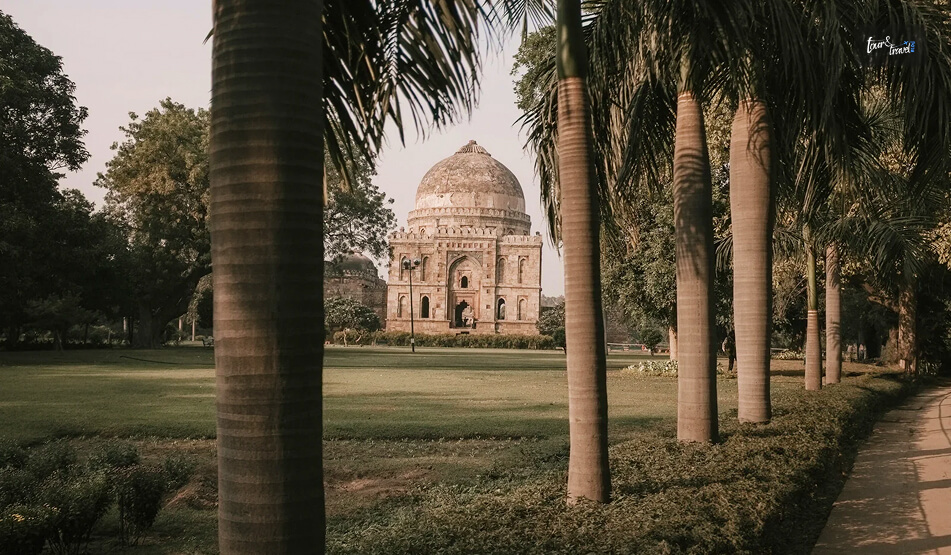
The Lodi Garden is a green escape on the Lodi Road in South Delhi.

It is between Safdarjung’s Tomb and Khan Market. 

Covering an area of 90 acres, this Garden is home to many tombs from the Lodi, Sayyid, and Mughal dynasties. 

However, it is more than a place where history breathes through the Indo-Islamic architecture.

With gardens, exercise machines, walking paths, and running tracks, it is a popular place for outdoor fitness activities. 

Also, it is a paradise for art lovers, thanks to its stunning sculptures and art installations.

What Is The History Of The Lodhi Garden?

What Is The History Of The Lodhi Garden

The history of this beautiful garden goes back to the 15th century.

It was the burial ground of the Lodhi lords.

The most significant tombs here are those of Sikandar Lodhi and Mohammed Shah. 

The tombs and ruins were earlier scattered around the village of Khairpur till 1931.

However, in 1936, the villagers were moved from the village, and this monument was created.

The tombs had exotic and native trees around. 

Furthermore, the garden got its name from Lady Willingdon Park after the name of the British Viceroy’s wife. 

It was named the Lodhi Garden in 1947 after India’s independence, in memory of the tombs present here. 

However, the current form we see today is the work of American architects Joseph Allen Stein and Garrett Eckbo in 1968.

They added the rose garden, bonsai park, the lake with a fountain, and a glasshouse. 

A Brief Historical Timeline Of The Lodhi Garden 

1414–1451 (15th Century)• Becomes a burial site for the Sayyid Dynasty
• The Tomb of Muhammad Shah was built in 1444. 
1451–1517• The Lodhi Dynasty (1451–1526) used the tomb.
• Included the Sheesh Gumbad and Bara Gumbad. 
1517–1518• Ibrahim Lodi built the tomb of his father, Sikandar Lodi, after his death in 1517. 
1936• The Khairpur Village was cleared, and a landscaped park called Lady Willingdon Park was constructed. 
1947• India became independent, and Lady Willingdon Park was renamed Lodhi Garden. 
1968• J.A. Stein and Garrett Eckbo enhance the Lodhi Garden as a public place with various additions. 
Present Day• The Archaeological Survey of India protects it for the preservation of its Sultanate-era architecture and diverse flora. 

Visiting The Lodhi Garden: The Tombs And Architecture To See

Whenever I am in Delhi, I make a point to visit the Lodhi Garden.

I love the calming effect and the scent of history here. 

I also take random walks in the park, and each time, the park surprises me with something new.

Even if it is nothing else, a wildflower that I have not seen before will smile at me.

Or a squirrel will greet me and then will be gone in a blink. 

Also, irrespective of the direction of your entrance (East, West, North, and South), you will find ancient buildings here. 

1. The Tomb of Sikandar Lodi To The North

The Tomb of Sikandar Lodi To The North

The magnificent Tomb of Sikandar Lodi is to the north.

It is one of the oldest garden tombs of India. 

Furthermore, it has an octagonal structure.

Also, despite its Indo-Islamic architecture, it has small domed pavilions or Chattris, which were a signature of Rajput architecture. 

Also, the Overhanging Eaves or Chajjas and supporting brackets seen here come from the Rajput legacy. 

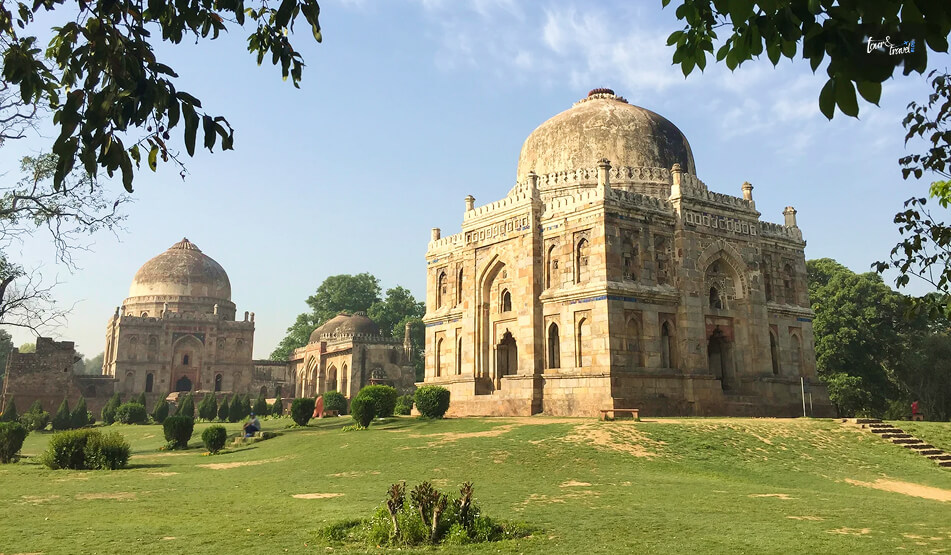
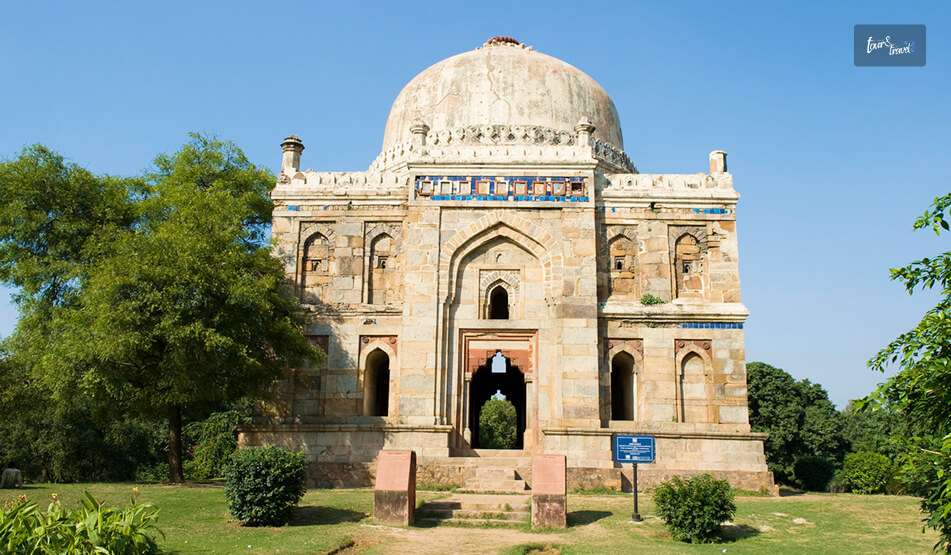
2. The Sheesh Gumbad In The Centre

The Sheesh Gumbad In The Centre

The Sheesh Gumbad stands like a witness to time amidst the greenery of the park.

It is a domed building with a cube shape. 

The interior of the dome ceiling is decorated.

Furthermore, from the arched openings on the four sides of the tomb, you will get amazing views of the park. 

The only problem I feel is the presence of selfie-obsessed visitors.

They somehow ruin the mood and do not understand the somberness of the place. 

I even found some pre-wedding shots going on there. 

Call me old-school! But these things irritate me. 

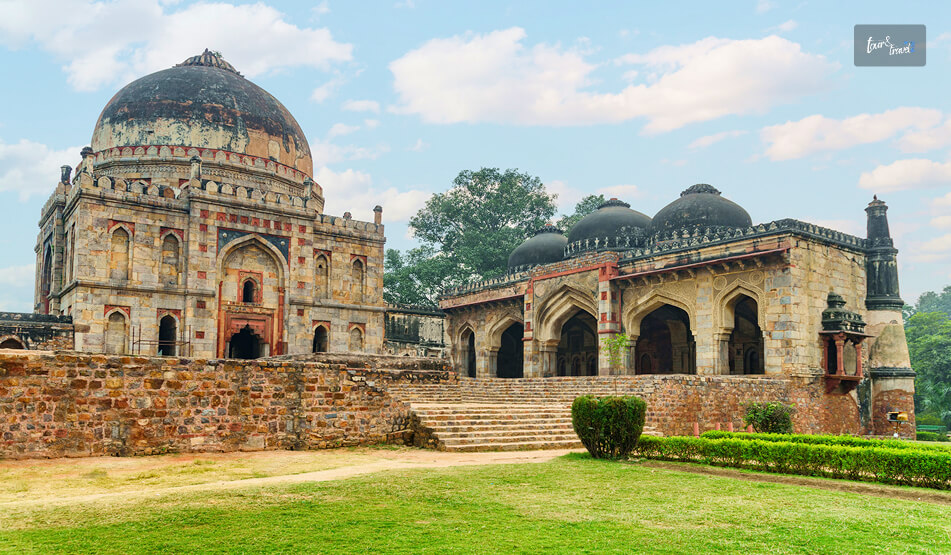
3. Bada Gumbad Or Bara Gumbad To The South

Bada Gumbad Or Bara Gumbad To The South

Bada Gumbad has an architecture similar to the Sheesh Gumbad.

However, living up to its name, this tomb is bigger than Sheesh Gumbad. 

It is also one of the oldest full-domed buildings in the country, and it serves as a beautiful entrance to the adjacent Jama Masjid. 

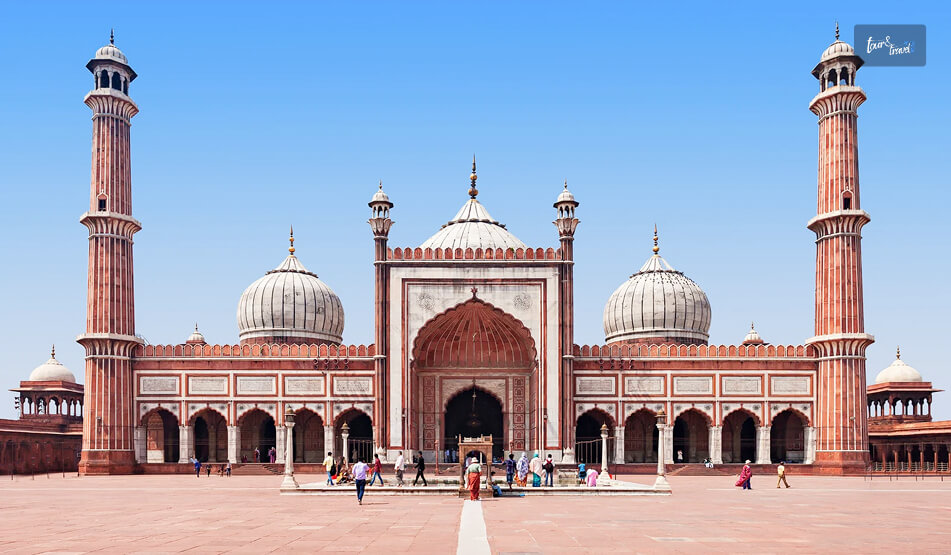
4. The Jama Masjid Or The Friday Mosque 

The Jama Masjid Or The Friday Mosque

This mosque was built in the 15th century, and it has the typical red sandstone architecture, which was a signature of the Lodhi era. 

Furthermore, here you will notice amazing geometric designs and calligraphy on the arches and columns. 

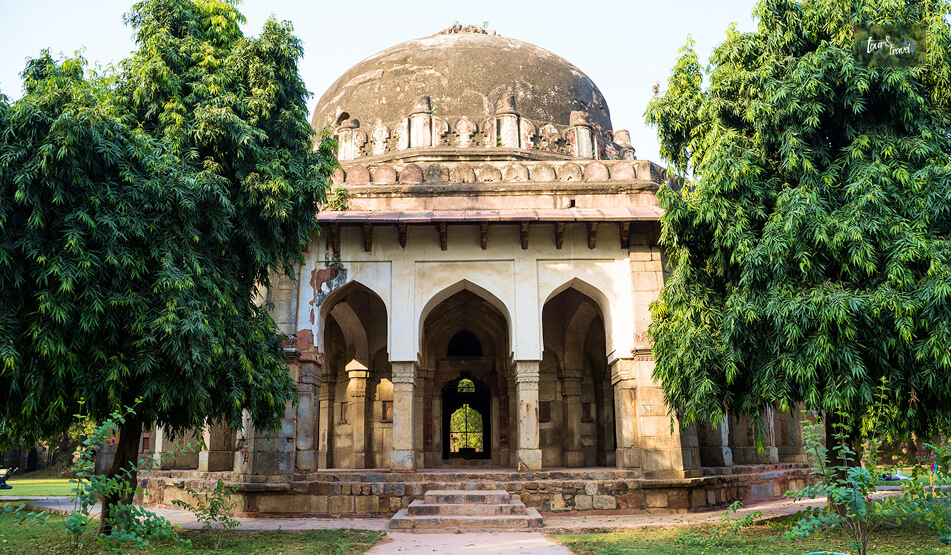
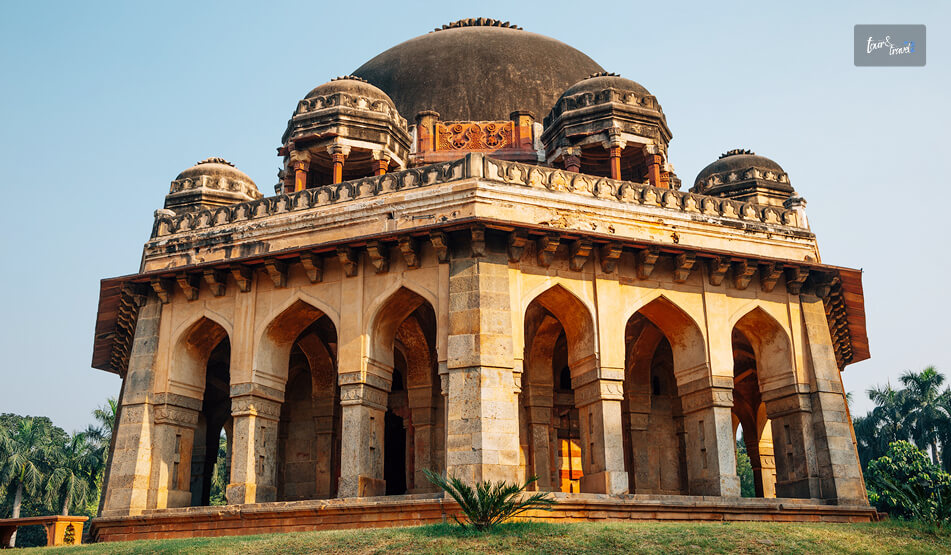
5. The Tomb Of Muhammed Shah On The Southern End 

The Tomb Of Muhammed Shah On The Southern End

The Tomb of Muhammad Shah is the oldest in the garden, and it is located on the southern end of the park. 

You have to walk through a covered walkway to reach this tomb in an octagonal shape. 

Along with these major tombs and architecture, the park also has many old tombs, structures, and ruins. 

Furthermore, with the recent expansions, there are dedicated Yoga lawns, herb gardens, rose gardens and a glasshouse.

Moreover, there are exercise machines. 

Also, the trees here are home to a handsome population of squirrels, chipmunks and various species of birds.

You will especially notice eagles spiralling over the park. 

Some Practical Tips For Visiting The Lodhi Garden

The Lodhi Garden is a free public space with the richest diversity of plants, historic architecture, and ruins. So, it is a budget-friendly place to visit. 

It is easily accessible by autos and metro routes.

Here is more on how to reach the park, basic amenities, and nearby attractions. 

How To Reach The Lodhi Garden?

The Lodhi Garden is close to four metro stations. 

Station NameMetro LineDistance 
Jor BaghYellow Line1.4 Km
Khan MarketViolet Line1.6 Km
JangpuraYellow Line4.2 Km
JLN StadiumViolet Line2.6 Km

From these metro stations, you can take autos.

If you are coming from Jangpura or the JLN Stadium, you can even book an Uber to avoid negotiations with the local drivers. 

How Much Time Is Required At The Lodhi Garden? 

I don’t have an answer to that.

From an hour to the entire day, the time you spend here will depend on your intent of visit. 

It takes around 20 minutes to complete a walk around the park.

However, if you want to appreciate the tombs and their architecture, it will take longer. 

Also, the rich community of trees here always asks you to stay a little longer.

Moreover, the Lodhi Garden is a popular picnic spot.

Is There A Toilet At Lodhi Garden? 

Yes, there are toilets at Lodhi Garden, and they are well-maintained. 

Are Food And Drinks Available At Lodhi Garden? 

There is no permanent stall of official setup for food and drinks at Lodhi Garden.

However, you will find vendors selling snacks, drinks, ice cream, and the famous chats of Delhi at the entrance. 

Furthermore, inside the park, you will find many wandering vendors.

They set up their stalls on a tripod instantly and make mouthwatering chaats and snacks for you. 

You can even pack your food and have it at the Lodhi Garden for a picnic vibe.

Irrespective of where you get the food from, please be careful about waste disposal. 

However, if you are really hungry and want to gorge on proper Delhi food, head to the nearby Khan Market. 

What Are The Places To Visit Near The Lodhi Garden?

You can combine your day in the Lodhi Garden with a visit to the Safdarjung Tomb and the Khan Market.

Also, you can explore the nearby Lodhi Art District. 

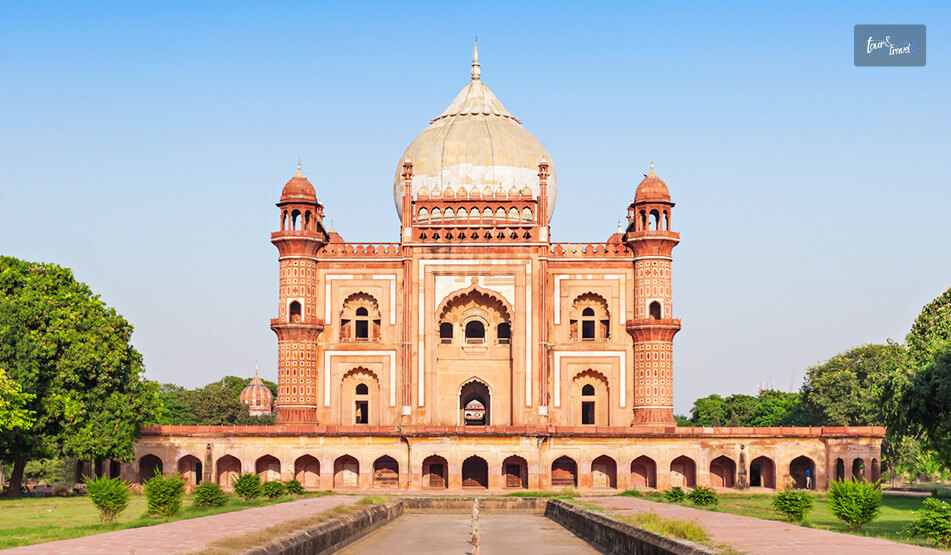
1. The Safdarjung Tomb

Safdarjung Tomb

It is the tomb of the Mughal Empire’s Vazir Safdarjung, and it shows a mix of Persian and Indian styles of architecture. 

It has beautiful marble and red stone architecture.

Moreover, built in 1754, it was the last monumental Mughal garden tomb in Delhi. 

2. The Khan Market 

The Khan Market

You will find all the designer and branded clothes at Khan Market.

It is a high-end shopping district, and it brings you back to the present after a date with history in the Lodhi Garden. 

Furthermore, it is the place to have a posh coffee date, an upscale luncheon, or an artisan cake tasting.

You must try the wood-fired pizzas at the restaurants here. 

Moreover, if you really want to enjoy the evening in South Delhi, Khan Market is the place to be.

The bars and lounges here come to life after sundown. 

How To Reach Khan Market?

You can walk for ten minutes from the north entrance of the Lodhi Garden, or you can take an auto from the south entrance. 

Moreover, there is a metro station called Khan Market on the Violet Line. 

3. The Lodhi Art District

The Lodhi Art District is a few blocks south of the Lodhi Garden.

It was the last housing estate the British had built in India. 

However, today, it is a place that belongs to the Indian artists.

You will find more than 50 street artworks and murals here. 

Take an auto or walk for 15 minutes to reach the Lodhi Art District from Lodhi Garden. 

Where To Stay Near Lodhi Garden?

If you want a luxury experience, you can stay at The Lodhi.

Furthermore, there are many budget-friendly accommodations near Lodhi Garden. 

These are Hotel O Maharaja Inn and Evergreen Delhi Bed and Breakfast.

Finding A Place To Relax In The Heart Of Delhi 

Delhi, the capital of India, has endless attractions in the true sense.

From the Jantar Mantar to Humayun’s Tomb, it is a living tapestry of history and human culture. 

However, whenever you feel overwhelmed by the bustling crowd and noise of Delhi, you can visit the Lodhi Garden and catch your breath. 

Read Also:

Share on Social Media

Sibashree is a travel, culture, and leisure writer who has been writing since the age of 12 and professionally since 2014. With more than a decade of travel writing experience and journeys across India and several parts of the world, she brings a deeply personal and thoughtful perspective to her work. A student of English Literature and Mass Communication, Sibashree has always viewed travel as more than movement — for her, it has been a way of understanding people, cultures, and herself. Her passion for spiritual exploration has also led her to many unusual and meaningful destinations over the years. Outside of writing, Sibashree enjoys watching European cinema, reading about global politics, and reflecting on the stories hidden within everyday places.

Leave a Reply

Your email address will not be published. Required fields are marked *

title-img Related

READ MORE tibet tourism

Essential Tips To Ensure Sustainable And Responsible Tibet Tourism

BY  Ankita Feb 27, 2024

Tibet, often called the Roof of the World, is known for its stunning beauty and spiritual significance. Every year, travelers from around the globe are drawn to this majestic land in search of adventure and enlightenment. However, it's important to remember that Tibet's beauty is delicate and needs to be protected. So, as visitors, we must respect its traditions and environment to keep it beautiful and welcoming for generations to come. In this guide, we'll share five essential tips to help you explore this place with mindfulness and respect. These tips will ensure your visit leaves a positive impact on this incredible region. So, without further ado, let's delve right in! 1. Choose a Trusted Travel Partner When planning your trip to Tibet, selecting the right travel partner can make all the difference. However, it requires careful consideration. So, look for agencies that deeply understand and respect the region's culture and environment. Also, consider one with sustainability certifications and memberships in responsible Tibet tourism organizations. Plus, ensure they are well-versed in navigating the complexities of traveling to this place, including obtaining a Travel Permit. This is essential for regulating travel and safeguarding its resources. So, prioritize those openly discussing the tibet travel permit price, its importance, and their efforts to secure it. They should also provide information on how they support local economies and conservation efforts. Moreover, they'll also advise you on respecting local communities and religious sites while minimizing environmental impact. Overall, this way, you embark on a journey that sustainably enriches your travel experience. 2. Respect Tibetan Cultural and Religious Customs It is a land steeped in spiritual and cultural traditions. So, showing respect is essential to honoring its essence. This involves dressing modestly, especially when entering monasteries and other sacred sites. It also means understanding the importance of maintaining silence in holy spaces and following the tradition of walking clockwise around religious objects. Moreover, when taking photos, asking for permission is polite, particularly when photographing monks or pilgrims. This simple gesture demonstrates respect for their culture and traditions. Ultimately, by embracing its customs and traditions, you foster mutual respect between visitors and locals. So, take this opportunity to learn from the Tibetans. It's a precious gift that can turn your journey into a profoundly transformative experience. 3. Abide by Local Laws Understanding and adhering to local laws in Tibet is more than just compliance. It's a reflection of your respect for the region and its people.  For instance, apart from respect, there are specific regulations regarding photography. Some areas, like certain buildings or military installations, may have restrictions on taking pictures. Additionally, some locations may require special permits. So, you need to be aware of the places you're allowed to visit. By staying informed about these laws, you can ensure a smooth trip and help preserve Tibet's cultural and natural heritage. Remember, responsible Tibet tourism is all about making positive impacts and respecting local laws. So, always abide by the rules and regulations during your visit. 4. Follow Leave-No-Trace Principles While Trekking Tibet's natural landscapes are breathtakingly pristine. So, maintaining this unspoiled beauty requires adherence to Leave No Trace principles during your treks. Firstly, ensure you carry out all your trash, leaving no litter behind. This includes packaging and any waste produced during your trek. Moreover, minimize the impact of campfires by either using portable stoves or designated fire rings, if available. Doing so prevents damage to the surrounding vegetation and wildlife habitats. Additionally, treat water sources carefully to avoid contamination and maintain their purity. Besides, stick to established trails and designated campsites to minimize erosion and protect fragile ecosystems. Remember, these practices aren't just about conservation. Instead, they're about showing respect and gratitude to the natural world that graciously welcomes you. 5. Avoid Paying for Photos or Handing Out Medicine While it may seem nice, paying for photos or giving out medicine without thinking can cause problems. It might make people depend on handouts and change how the community works. Instead, focus on meaningful talks and treating people with respect. However, if you still want to help, support local businesses or trusted non-profits that work closely with the community. This helps sustain local traditions and ensures your actions make a positive difference. By avoiding paying for photos or handing out medicine randomly, you help empower local communities and promote sustainable Tibet tourism. 6. Joining A Tibet Group Tour Most travel agencies in Lhasa offer Tibet group tours that are a far more sustainable choice than individual visits. These group tours are designed to help make touring Tibet affordable while sharing the cost of the designated tour guide and the vehicle with other travelers. By avoiding the extra costs of each individual tourist and having a guide for each of them, the whole setup makes for a well-rounded experience.  These local tour guides are a great way to enhance your Tibetan experience. They have local knowledge that no other professional guides will have. Individual traveling will also not allow you to explore places that are otherwise only known to local people.  These guides will assist you with the local language so that navigating the region and understanding its culture more deeply becomes easy. The uniqueness of this region leaves every visitor feeling rejuvenated. Local tour guides also allow you to curate your experience according to your taste and desires. It will cover all your specific interests without all the added hassle.  Tips: Carry a reusable water bottle and a filter to decrease the environmental impact of your visit. Avoid littering and respect your natural surroundings. Take the public route when it comes to transportation instead of getting a private drive. Get locally sourced foods and products to minimize littering and waste.  Respect the wildlife around you and avoid all activities that harm animals. Look for eco-friendly accommodations that help you prioritize the minimization of waste and sustainability. Cultural Taboos Visitors should stay aware of the cultural taboos when choosing to travel to Tibet. Be modestly dressed and stay respectful. You must be especially mindful when visiting temples and other religious sites. As a visitor, you must also avoid touching and pointing at statues and objects of religious significance. You must also make sure to walk clockwise around prayer flags and other religious sites. It is also considered disrespectful if you step over someone’s threshold or the threshold of a religious site. Visitors must also avoid talking about sensational topics or engaging in any kind of behavior that is contrary to the cultural norms of the region.  Try researching and understanding the local customs and traditions before traveling. This will help you stay sensitized towards the expected regional culture. Final Thoughts Exploring Tibet's sustainability is an opportunity to immerse yourself in its stunning landscapes and rich cultural tapestry. By following the tips mentioned above, your journey to this place can be a model of responsible Tibet tourism. To summarize, it is important to prepare and respect the local cultural environment. If you are planning a trip to Tibet, you are advised to work with a reputable travel agency in order to obtain the necessary permits and plan a safe and enjoyable trip. Tibet is a beautiful as well as unique destination. You must not desecrate the culture of the region by being careless of its traditions and ideals. So, travel with intention, respect, and a deep appreciation for the places you visit. It will make your global footprint a positive one. Read Also: The Ultimate Guide To Everest Base Camp And Manaslu Circuit Trek Which Is The Best Time To Visit Spiti Valley? – Travel Guide Five Best Things To Do In Nepal

READ MORE View of the Mountains and Green Fields During the Kerry Way.

View of the Mountains and Green Fields During the Kerry Way.

BY  Ankita May 18, 2024

There's a magical charm in circular hiking trails that arrests the attention of tourists and seasonal hikers alike. One of the most popular is Hiking the Kerry Way in Ireland. It provides waves of adventure that guide you through some of the most breathtaking landscapes Ialand has to offer you. Whether you're a seasoned hiker or just a beginner in this adventure sport, this guide will provide you with all the information you need to make the most of your journey. The Kerry Way is an 11-day hike providing an experience you can not forget. , Right from mist-covered mountains to the simplest charm of villages, get ready to soak in the rugged beauty. Be an adorer of the magic of Ireland's southwest coast. What Is The Kerry Way? The Kerry Way is a hiking trail that circulates the Iveragh Peninsula in County Kerry, Ireland.  The trail is approximately 215 kilometers long and takes 11 days to complete. Moreover, along the way, you can spot some of the most breathtaking views of the coastline, along with gigantic mountains and blue lakes. The Kerry Way offers a unique admixture of rich history, friendly local culture,, and nature's bounty. It's a chance to dip yourself in Ireland's rugged charm. Trail Length And Difficulty Level Like most of the long-distance trails, for example, West Highland Way in Scotland, or Camino de Santiago in Spain,  this one is disintegrated into several stages. Moreover, there are around nine stages in total, and all of them last  15 to 30 kilometers. While some sections are a bit difficult, the overall difficulty level is moderate. This is why the trails become accessible to hikers of diverse capabilities. Planning Your Trip Like with most walking holidays that cover long-distance trails, planning is indeed one of the major factors. You need to ensure that everything is okay before you start your journey. Remember that it's a physical challenge. You will find yourself walking for several hours a day, and soon, it turns out to steal the heart of the traveler as one accustomed to its stiffness. However, here are some key factors to keep in mind: Best Time To Hike The Kerry Way You must opt for the  Kerry Way during the spring and summer months(April to September). This is the best time to tackle the difficulty. However, the weather is friendlier for the trackers during this time of the year. But as you get closer to summer, the entire and crowded places since it's also the peak season. Accommodation Options Along The Trail There's no dearth of places to stay while hiking this trail. You can choose from the several towns along the trail based on your priorities, budget, and other requirements.  Besides, you'll find small hostels on the roads. You'll find a mix of guesthouses and hostels in abundance. Keep in mind, you must look to book in advance. It is highly recommended, especially when the season is at its peak. Packing Essentials Packing light is key, but you need to make sure to dress in layers and pack a raincoat even if it's summer and the weather is mild rain can happen from time to time. Make sure you don't forget your sturdy hiking boots, rain gear, water bottle, and a good map if you are old school. I recommend a hiking app that lets you use its features offline. Also, a first aid kit is a must! Scenic Highlights There are many highlights along the way; you'll be able to experience the stunning Killarney National Park and explore the Gap of Dunloe, Torc Waterfall, and the Lakes of Killarney within this magical park. Not only that but also the coastal cliffs and dramatic seascapes of the Dingle Peninsula section offer breathtaking views of the Atlantic Ocean. History is present on these iconic trails, and you can spot several ancient ruins and historical sites and discover stone circles, ring forts, and medieval castles along the way. What Safety Measures You Should Take While You Go Out For Hiking Hiking a trail lets an individual be immersed in the sea of enthusiasm and joy.  It is one way to set free from the bondage of daily duties and surrender entirely to nature.   Hiking the Kerry Way in Ireland instills visitors with a dosage of love for nature, which remains in the soul forever. So, if you like to give it a try…cut the handcuff of 9 to 5… this is the time to listen to the call of nature.  Let your heart respond to her call with openness.  However, in this section, we discuss some of the safety measures that you must take when you set out for your adventurous journey. So, let's get started without wasting any more time. 1. Bring At Least one Friend  One of the safety measures that you ought to take is making a group while you attempt such travel. Solo trips are not good, at least when you are traveling or hiking.   According to the opinion of the National Outdoor Leadership School, there must be at least one companion who must be there in these adventurous journeys.   This can help the traveler recover from any issue that erupts during the hiking. Hence, you must have an individual who can help you out in the hour of need.  2. Agree On A Emergency Plan While you plan your hiking, you must have a clear idea of devising an emergency plan. Moreover, there is a key question that you need to answer.  Will there be a reliable call service at the place? Then, in such a case, a personal locator beacon or a satellite messaging device can help the individual.  3. Prepare For The Weather  You must have adequate preparedness when you set out for hiking. Moreover, you must talk to the ranger or thereafter consult with them on the inclement weather events at this time of the year.  Even with the best weather forecast, inclement weather conditions like thunder and lightning take over quickly and most unexpectedly.   However, in these situations, you must use the NPS counseling in a shelter while stuck amidst the wild areas. But as a basic refrain from the high and open areas. They are prone to risk and uncertainties.  Pack The Ten Essentials  The 10 Essentials is a list of emergency provisions created organically by the mountaineers.  As per their opinion, when you are looking for mountaineering, trekking, or even hiking, you must ensure that you respond to the emergency and thereafter spend at least one night outdoors.  However, here we mention the list of essential objects that you must carry with you on your journey.   They include sun protection, a first aid kit, an insulation jacket, fire starters, a lighter, repair kits, nutrition (that is an extra day's supply of nutritious food), Hydration, and the emergency shelter, that is, tents, blankets, bivy, tarp or sleeping bag.   These are the essentials that you must keep with you when you trek or hike.  Conclusion Hiking the Kerry Way has its own set of thrills, adventure,  and love. It is one of the most fascinating places for hiking in Ireland.  Have your entire planning in place and at the same time ensure that you consider the points discussed on safety. Have a great hike and hike safely. Read Also: Things To Do In Rocky Mountains National Park Tips For Vacationing In Gatlinburg Five Best Things To Do In Nepal

READ MORE Cosmetic Tourism Trip To Thailand

Cosmetic Tourism Trip To Thailand: Tips To Plan Now!

BY  Ankita Jan 2, 2024

Cosmetic tourism trip in Thailand offers an enticing blend of high-quality medical services and a beautiful travel destination. Renowned for its advanced healthcare facilities and skilled practitioners, Thailand is a top choice for those seeking cosmetic enhancements at reasonable prices. Here's a guide to help you plan a successful and enjoyable trip. Understanding Cosmetic Services In Thailand One of the sought-after treatments among travelers is to get treatment for facial wrinkles in Bangkok. Known for its advanced dermatological techniques, Bangkok's clinics provide a range of options from minimally invasive procedures like Botox to more comprehensive facelifts. When considering such services, it's important to research the qualifications of the practitioners and the reputation of the clinics to ensure you receive the best care. Research And Choose The Right Clinic With a variety of clinics available, choosing the right one is crucial. Look for facilities accredited by reputable organizations and read through patient reviews and testimonials. Don't hesitate to reach out to the clinics directly with any questions about their services or the experience of their medical staff. Set Realistic Expectations Before deciding on a procedure, make sure you understand what it entails and what results to expect. Thailand offers a wide range of cosmetic procedures, and being clear about your goals is essential for satisfaction. The Importance Of Consultations Arrange consultations with potential clinics or hospitals. Many offer virtual consultations, which can be a great way to discuss your needs and medical history with professionals. Plan For Recovery Your itinerary should take into account the necessary recovery time after your procedure. Plan any sightseeing or leisure activities in Thailand accordingly, either before your procedure or after you have recovered. Budgeting For Your Trip While the cost of procedures in Thailand is often lower than in many Western countries, it's important to budget for all aspects of your trip. This includes the procedure itself, accommodation, travel expenses, and any additional activities. Legal And Ethical Considerations Familiarize yourself with the legal and ethical standards of medical practice in Thailand. Ensure that the clinic you choose adheres to these standards and understands your rights as a patient in a foreign country. Cultural Sensitivity Respecting Thai culture and customs enhances your experience. It’s also beneficial in your interactions with medical staff and locals. Communication Is Key While English is commonly spoken in medical facilities, there can still be language barriers. Consider using translation services if necessary. Post-Procedure Care Adhering to post-procedure care instructions is crucial for a successful outcome. Make sure you understand these instructions and follow them closely. Comfortable Accommodation Choose accommodations that will provide comfort during your recovery, preferably ones that cater to medical tourists and are close to your chosen medical facility. Insurance And Documentation Ensure your insurance covers overseas procedures and has all necessary documentation, including medical records and travel documents. Emergency Preparedness Have a plan for emergencies, including knowing the location of the nearest hospital and having important contact numbers at hand. Enjoying Thailand Apart from the medical aspect, Thailand is a vibrant and beautiful country with much to offer. Take time to explore its diverse culture, stunning landscapes, and delicious cuisine. Conclusion A cosmetic tourism trip to Thailand can be a fulfilling experience if planned carefully. By prioritizing your health and safety, while also taking time to enjoy the unique offerings of Thailand, you can have a successful and memorable journey. Read Also: This Is The Best Time To Visit Iceland & These Are The Things You Should Do! Maldives And Bora Bora Among Top 10 Tourists Spots In The World This Is The Best Time To Visit The Seven Magic Mountains In Vegas!