
Chartering a Yacht in Norway: Your Ultimate Guide to an Unforgettable Adventure

Jan 15, 2025

Last Updated on: Jul 2, 2025

Travel Blog

Looking to customize your sailing experience? Explore World Sea Explorers’ Custom Charters for tailored adventures.

Norway’s breathtaking fjords, rugged coastline, and enchanting islands make it a dream destination for yacht enthusiasts. 

Whether you’re a seasoned sailor or a first-time charterer, exploring Norway by yacht is an extraordinary experience that combines adventure, luxury, and a deep connection to nature. Here’s everything you need to know about chartering a yacht in Norway.

Why Choose Chartering A Yacht In Norway?

Yacht in Norway

Norway offers unparalleled opportunities for exploration. Its coastline stretches over 83,000 kilometers, dotted with picturesque villages, vibrant cities, and awe-inspiring natural wonders. 

Furthermore, the majestic fjords and the playful sunlight on the water look straight from a movie scene, and being in a charter Yacht sailing through the water feels like you are on a Viking journey of your own.

And Trollfjord is, of course, the crown jewel when it comes to a journey in a yacht in Norway. Despite the challenges (the fjord is narrow, and the navigation has to be very specific), it has become a popular go-to destination since the filming of Downsizing with Matt Damon. The rock formations along the fjord are dramatic, and they look almost gothic.

Further, the gurgling waterfalls will be music to your ears, and the mist covering the rocks will create a sense of intrigue. 

Here’s what makes Norway a top sailing destination:

1. The Majestic Fjords

Cruise through iconic fjords like Geirangerfjord and Nærøyfjord, both UNESCO World Heritage Sites. The sheer cliffs, cascading waterfalls, and serene waters create a scene from a fairytale.

2. The Midnight Sun And Northern Lights

Depending on the season, you can either sail under the midnight sun during summer or witness the magical northern lights in winter.

3. Rich Wildlife

Spot puffins, sea eagles, whales, and seals as you sail through Norway’s pristine waters.

4. Cultural Immersion

Stop at coastal towns like Bergen and Ålesund to experience Norway’s rich maritime history, sample local cuisine, and enjoy vibrant cultural festivals.

Types Of Yacht Charters Available In Norway

Types Of Yacht Charters Available In Norway

When chartering a yacht in Norway, you can choose between several options based on your preferences and skill level:

  1. Bareboat Charters: Ideal for experienced sailors, this option gives you complete control over your journey.
  2. Crewed Charters: Perfect for those who prefer a more relaxed experience. With a professional crew, you can enjoy gourmet meals, guided tours, and personalized service.
  3. Catamarans: Great for families and groups, catamarans offer spacious accommodations and stable sailing conditions.
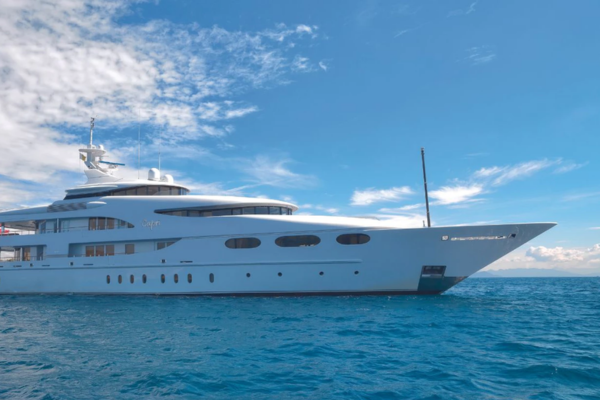
  4. Luxury Yachts: For a premium experience, luxury yachts provide opulent amenities, including hot tubs, gourmet kitchens, and private cabins.

Best Time To Charter A Yacht In Norway

  • Summer (June to August): The most popular season for yacht charters, with mild weather, calm seas, and 24-hour daylight thanks to the midnight sun.
  • Spring and Autumn (May and September): Quieter seasons with fewer crowds and stunning natural colors.
  • Winter (November to February): A unique opportunity to combine yachting with Arctic adventures like chasing the northern lights and exploring snow-covered landscapes.

Top Destinations to Explore | Chartering A Yacht In Norway

If you want the ultimate Scandinavian adventure, your journey must begin in Norway. In the land of the Vikings, these are the places you can explore while enjoying a ride on a Yacht in Norway. 

1. Lofoten Islands

Famous for their dramatic peaks, crystal-clear waters, and charming fishing villages. Further, this dramatic Archipelago in Norway has Henningsvær, a quaint village and a bustling hub of fishing activities. 

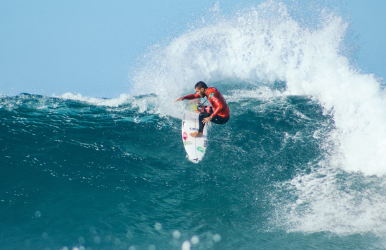
Surfing is a popular outdoor activity here and you will encounter whales and the mighty eagles in action. You can even join a wildlife safari here while playing along the waves. 

Moreover, for the most cinematic beach experience, you must Hestegård. Taking a horseback ride here is a lifetime experience. 

2. Bergen: 

Known as the gateway to the fjords, this vibrant city is a must-visit for its colorful waterfront and rich history.

It will take you to Sognefjord, the deepest and longest fjord in Norway. You can also visit Hardangerfjord, where Trolltunga, the most popular mountain plateau, is present.

Did you know that as many as seven mountains surround Bergen? So, hiking is a popular outdoor activity here, along with water pursuits and cultural exploration. 

3. Tromsø

Located above the Arctic Circle, Tromsø is a hub for winter activities and a great base for northern lights viewing.

One of the most populous municipalities of Norway, Tromsø always remains dark from the 21st of November to the 21st of January. There is no sunrise during this span. So, the twilight from 9 AM to 2 PM feels like magic. 

Moreover, Tromsø can be the gateway to your Arctic adventure. From here, you can plan a visit to the Lyngenfjord region. 

4. Svalbard

For the ultimate Arctic adventure, head to Svalbard, where you can sail among glaciers and spot polar bears in the wild.

 Tips For A Successful Charter Yacht In Norway

  1. Plan Ahead: Norway’s yacht charters are in high demand, especially during summer. Book your yacht well in advance.
  2. Pack Wisely: Bring layers, waterproof clothing, and sturdy footwear to stay comfortable in varying weather conditions.
  3. Know the Rules: Familiarize yourself with Norway’s maritime laws and environmental guidelines to ensure a safe and eco-friendly journey.
  4. Work with Local Experts: Collaborate with reputable yacht charter companies and guides to customize your itinerary and navigate Norway’s unique sailing routes.

Why Choose a Sustainable Charter?

Norway’s commitment to sustainability makes it an ideal destination for eco-conscious travelers. Many yacht charter companies offer green options, including hybrid yachts, eco-friendly practices, and partnerships with local conservation projects. 

By choosing a sustainable charter yacht in Norway, you’re helping to preserve the country’s pristine environment for future generations.

Ready To Charter A Yacht In Norway?

Chartering a yacht in Norway is more than just a vacation; it’s an opportunity to immerse yourself in one of the world’s most beautiful and unspoiled landscapes. 

Whether you’re seeking adventure, relaxation, or a mix of both, Norway promises an unforgettable experience you’ll cherish forever.

So, pack your bags, gather your crew, and get ready to explore the Land of the Midnight Sun from the deck of your private yacht. Adventure awaits!

Also read

Share on Social Media

Meet Sibashree Bhattacharya, a travel enthusiast who has a decade-long experience in transcending virtual barriers with her words! Her deep love for travel is apparent from her travel escapades to the mountain, often taking her readers on a journey, her words acting as Portkey! Fun fact: Sibashree loves to dive deep into the history of the places she is about to visit, making her travels even more wholesome. If you were wondering how her articles are not short of time travel, this answers it!

Leave a Reply

Your email address will not be published. Required fields are marked *

title-img Related

READ MORE

Amazing Things To Do At Yosemite National Park | Action Tour Guide

BY  Sibashree Oct 28, 2024

Yosemite National Park comes with great news for the explorers. The park has ended its reservation season early in 2024. So, for the rest of the year, you can enjoy a drive through the park without reservation.  In a social media post, Yosemite National Park authority has mentioned “ending the 2024 reservation season after this weekend (October 13)."  With no stress about getting a reservation, Yosemite National Park will surely be the destination for trekkers and wildlife lovers. However, before you plan a trip to the park, you must have a detailed idea of what to do there.  Best Things To Do At Yosemite National Park Yosemite National Park allows you to explore many activities, from camping to hiking. Therefore, setting the itinerary right can be a little taxing, with many options available.  So, here, I will discuss the outdoor pursuits in the park, with special emphasis on hiking, wildlife exploration, and stargazing.  Yosemite National Park is a UNESCO World Heritage Site, inscribed in 1984.  Hiking In Yosemite National Park This park has more than 750 miles of hiking trails. Further, if you want to explore the park’s ecology, wildlife, and geological formations closely, hiking is the best way out.  So, you can try these most popular hiking trails in Yosemite National Park.  Upper Yosemite Falls Trail Trekking Length: More than 10 Kms Difficulty Level: Hard Pet Friendly: No Time Of Trekking: Around 6 Hours  How about exploring a hiking trail that takes you to the top of the tallest waterfall in America?  You will also love the best views from Columbia Rock as you advance in your expedition.   Mirror Lake Loop Trekking Length: 8 Km Difficulty Level: Easy Pet Friendly: Yes  Time Of Trekking: 2 Hours The beautiful trekking route takes you to Mirror Lake and Tenaya Creek. Further, the calm water of the lake shows the most beautiful reflections of the surrounding cliffs.  However, often, the lake does not have adequate water, and then it looks like a meadow with sandy areas and grasses. So, it is also known as Mirror Meadow.  Nevada Fall Via The Mist Trail Trekking Length: Around 10 Km Difficulty Level: Hard Pet Friendly: No Time Of Trekking: 4 Hours   Nevada Fall Via The Mist Trail is a signature hike, allowing you to explore many spectacular views scattered around it.  Located on the Merced River, the water in the fall has a misty appearance. Further, falling from a height, the water of the cascade looks like an avalanche.  Lower Yosemite Falls Trail  Trekking Length: 2 Km Difficulty Level: Easy Pet Friendly: Yes Time Of Trekking: 30 Minutes   A deafening sound of water will fill your ears as you complete the Lower Yosemite Falls Trail trek and stand on the footbridge. This hiking trail is the best for enjoying beautiful views of Yosemite Falls and creeks. Further, throughout the trek, you will learn about the park’s culture and history.  Exploring Wildlife At Yosemite National Park “Approximately 95% of the park is designated wilderness. The entire park is surrounded by four national forests, several adjacent portions of which are designated wilderness areas, thereby providing connectivity with the larger landscape.” - UNESCO World Heritage Convention. Surrounded by forests and extensive wilderness, Yosemite National Park is home to around 90 mammal species. Further, this park has many amphibians, reptiles, birds, insects, and fish. I will talk about the birds and fish in detail shortly. So, here is a brief overview of the mammals, amphibians, reptiles, and insects found here.  Mammals Black BearsBighorn SheepPacific FisherRed FoxBatsMountain LionsDeerGrizzly BearAmphibians Sierra NewtPacific TreefrogCalifornia Red-Legged FrogYosemite ToadsReptilesSierra Fence LizardSierra Alligator LizardsWestern Pond TurtleSierra GartersnakeSierra Mountain KingsnakeNorthern Pacific Rattlesnake (It is the only venomous snake out of the 13 species of snakes found here.)InsectsElderberry Longhorn BeetleCaddisfliesGrasshoppersBristletails Among the species found here, grizzly bears, foothill yellow-legged frogs, and California red-legged frogs are the ones on the verge of extinction. Fragmentation of habitat, air pollution, and the invasion of non-native species are the primary reasons behind this process of eradication.  Stargazing In Yosemite National Park  The minimal light pollution and extensive wilderness make Yosemite National Park a great space for stargazing. Further, from July to October, this park is a great space to observe the Milky Way.  In addition, there are multiple hotspots in the park for stargazing. So, check out the table below to know where to enjoy the starry affair the most. Stargazing Location In The ParkBest Spots Yosemite ValleyEl Capitan MeadowCook's MeadowSwinging BridgeTunnel ViewGlacier PointGlacier Point OverlookWashburn PointTioga RoadTenaya LakeOlmsted Point Wawona is another popular stargazing location in the park, and it offers a peaceful experience.  Stargazing Experiences You Cannot Miss As you set out to stargaze in Yosemite National Park, you will encounter many unique sights. However, watching the moonbows or climber’s headlamps are the two most common stargazing experiences in the park.  Climber’s Headlamps During spring and fall, many climbers spend their nights on the cliffs of Yosemite Park. As they notice the first star coming out, they turn on their headlamps.  Moonbows April to June is the waterfall season in the park. On full moon nights in that season, the moonlight creates a rainbow in the mist of Yosemite Falls.  Even if your eyes cannot catch the colors, your camera surely will.  Birdwatching In Yosemite National Park  This national park is a favorite of birders, considering the presence of 262 species. Among them, 165 are habitat and migratory species, while the remaining one are transient species.  Further, the elevation of the park ranges between 2000 to 13000 feet. So, you will notice massive changes in the behaviors and features of the birds found here.  Yosemite Conservancy birdwatching outing and Christmas Bird Count are some of the programs that you can join if you want to locate the local, migratory, and transient ones.  Some common species of birds found here are the Great gray owl, American dipper, spotted owl, and Western tanagers.  A park-wide census of willow flycatchers has been conducted in the park. The report shows that these species do not breed in the park anymore.  Rock Climbing In Yosemite National Park  Yosemite National Park is a hub of rock climbers. Rock climbing here is beyond big wall climbs or conquering the cliffs. Further, almost every big wall in the park has a distinct ecosystem for you to explore.  Some popular rock climbing spots in the park are Merced River Canyon and Tuolumne Meadows. However, climbing the El Capitan is the most adventurous outdoor pursuit you can try in the park. The Oscar-winning movie Free Solo has further put this rock-climbing destination under the spotlight.  Water Activities At Yosemite National Park  Swimming, boating, rafting, and fishing are the best water activities in Yosemite National Park.  Swimming You can swim in almost any water body in the park. However, swimming is prohibited in the following water bodies. Dana Fork of the Tuolumne River Lake Eleanor Reservoir Wawona Domestic Water Intake Hetch Hetchy Reservoir Emerald Pool  Silver Apron Further, for the best cooling-off experience, you can try swimming in the Merced River.  Boating And Rafting  The best locations for boating and rafting in Yosemite National Park are Merced River, South Fork Merced River, and Tenaya Lake.  Rafting in the Merced River is a popular summer activity in the park. So, you can rent a raft or try kayaking here.  Further, you must wear a personal floatation device for kayaking and rafting in the South Fork Merced River or Tenaya Lake.  Fishing In Yosemite National Park  Are you over 16? Then, you will need a California fishing license to fish in the park. Further, you must abide by the California and Yosemite Park regulations about fishing.  Nevertheless, the best places for fishing in the park are: Merced River South Fork Merced River  Frog Creek Adair Lake Hanging Basket Lake Sacramento pikeminnow, California roach, and riffle sculpin are some native fish species in the national park. Furthermore, trout is the most common non-native species in the region.  Yosemite National Park At A Glance Location: California, United States Highest Point: Mount Lyell (3,997 Meters) Area: Around 1,200 Square Miles Operating Hours: 24*7 Origin of Name: Uzumate, meaning Grizzly Bear Visitor Centers: Yosemite Valley Welcome Center, Yosemite Exploration Center, Valley Wilderness Center, etc. How To Reach: Visit the park from the west through Highways 41, 140, and 120. However, to reach the park easily, you will have to take Highway 120. Further, please note that the Tioga Pass Entrance remains closed from November to May or June.  Best Time to Visit: May to June Also read Why Include Whale Watching In Your LA Itinerary. Travelling On A Budget: Tips For Affordable Adventures. From Cocktails To Kickflips: Must-Try Activities In San Diego.

READ MORE multi-trip travel insurance

Affordable Multi-Trip Travel Insurance Plans: Compare and Save 

BY  Sibashree Nov 24, 2025

A multi-trip travel insurance policy covers unexpected financial losses for multiple trips throughout the policy period. It can be related to a medical emergency, baggage loss or trip cancellation.  As you research online, you might come across a wide range of travel insurance for multiple trips. How do you choose the most affordable multi-trip travel insurance policy?  Here are a few factors and tips that you can consider while looking for a budget-friendly multi-travel insurance plan.  Key Features: What To Look For In An Affordable Policy?  A‍‌‍‍‌ multi trip travel insurance is a policy that covers you financially against different types of risks, e.g., a trip cancellation, medical emergencies, etc., that may happen to you during multiple trips within the period of the policy.  The insurance is generally bought for a year and is therefore mostly referred to as an annual multi-trip holiday insurance policy.  Compare key coverage features, such as the ones below, across different multi-trip holiday insurance plans available online. Medical Expenses - These may include the Transportation,  vaccination, and  Repatriation of the mortal remains,  Dental treatment,  Daily allowance in the case of hospitalisation, and many other things. Trip Expenses - Delay of the trip, cancellation, interruption, missed connections, and so on. Loss of Baggage - Delay or complete loss of checked-in ‍‌‍‍‌baggage. Choosing An Affordable Policy: Does It Meet Your Needs? While you consider a multi-trip travel insurance policy instead of a separate travel insurance plan for each trip, ensure it covers all your specific needs.  Look out for the following aspects: Flexible features to customise the multi-trip travel insurance to your advantage. Online convenience and customer support to seek assistance on queries. Seamless claim settlement process and high claim settlement ratio for a reliable experience. 1. Review Your Needs For Cost-Effective Coverage While selecting basic and customisable coverage, review your needs carefully and choose the most important features. Determine the extent of coverage required based on possible risks that can affect your financial situation.  Taking this step can help you compare more effectively and lead to a better multi-trip travel insurance policy at an affordable premium. 2. Calculate Premium And Save For Multi-Trip Insurance Calculate the premium for the various annual multi-trip holiday insurance plans. It will be available on the specific insurer’s official website. Compare the price against the coverage features and benefits offered.  Some reputable insurance providers, such as Reliance General Insurance, offer premium rates for their various multi trip travel insurance policy options to make the comparison easier.  3. Save More With Exclusive Discounts As you compare features and premium rates, keep an eye out for discounts. These may apply to specific policy types, travel seasons, coverage levels, and more.  Ensure it helps you reduce the premium for an affordable policy without compromising coverage features or requirements.  4. Plan, Buy Early, And Save More Compare and buy a multi-trip travel insurance or single-trip multi-destination travel insurance plan well in advance.  Buying it much earlier can help you secure a more affordable policy by taking advantage of lower demand, better premium rates, and added coverage benefits.  What Multi-Trip Travel Insurance Does Not Cover? The first thing you should pay regard to is the limitation of every single possible length of the trip.  Next, do not allow any pre-existing medical condition. And finally, the instances that are not covered if you participate in high-risk sports. Key Exclusions You Need To Know About 1. Pre-Existing Medical Conditions:  Most of the standard checked policies will not take on the costs related to medical conditions that have existed prior to buying the insurance.  Only a couple of insurance companies may offer an extra provision at a higher price to cover the acute flare-ups! However, the planned treatments are always in the list of exclusions. 2. High-Risk Activities Suppose your program includes adventure or extreme sports such as skydiving, bungee jumping, or mountaineering.  In that case, you will understand that these activities are generally not included in a multi-trip standard policy. So, you will have to sign up for a specialised insurance policy. 3. Alcohol Or Drug-Related Incidents Suppose the event, disease, or injury happens when you are using alcohol or illegal drugs, or you are misusing prescription medication. In that case, you will most likely find that your claims will be rejected. 4. Travel Against Official Advice Insurance for incidents occurring in a specified area will most likely be voided! In case you travel to places with government advisories or warnings (e.g., war, civil unrest, or natural disasters)!  5. Self-Inflicted Harm  Generally, the inclusion of such injuries caused deliberately by  Oneself,  Suicide attempt, and  Disorders related to mental/emotional conditions (like anxiety or depression), 6. Loss Due to Negligence In a nutshell, the insurer will not compensate you for lost or stolen personal items if it finds that you were negligent (e.g., leaving items unattended in a public place or not using a hotel safe). ​‍​ ‌‍​‍Common Limitations You Will Encounter  Maximum Trip Duration: This is perhaps the most significant restriction that comes along with multi-trip policies.  If you are after unlimited trips in a year, remember that the limit is set per trip, most of the time 30, 45, or 60 days, depending on the plan you select.  Age Limits: Generally, multi-trip insurance policies have an upper age limit for applicants to be covered; this limit is usually set at about 70 years.  It may be necessary for your elderly family members to look for specialised single-trip insurance policies.  Coverage Limits on Valuables: It is important to note that there are typically sub-limits on compensation for lost or stolen valuables, such as cash, jewellery, or electronic items.  Specific Documentation Required for Claims: You must furnish all required documentation to make a successful claim!  For instance, original receipts, medical records, and a police report (which should be filed within 24 hours in case of theft)! Otherwise, your claim is likely to be turned down.  As a precautionary measure, always make sure you have read the fine print of the policy you are considering and discussed any clarifications, doubts, or planned activities with the insurance company before the purchase.‌ Read Also: Coverage For Special Occasions: Travel Insurance For Canadian Festivals And Events The Convenience Of Online Long Stay Travel Insurance Top 8 Travel Medical Insurance Trends to Consider

READ MORE family vacation planning

The Overthinker’s Guide To Getting Ready For A Family Vacation

BY  Sibashree Sep 18, 2025

Why does prepping for a family vacation feel like bracing for a storm? One moment you're picturing peaceful views, the next you're buried in packing spreadsheets and panic over airport snacks.  For overthinkers, trip planning can feel more like a stress test than a getaway. With school calendars, rising travel costs, and lingering travel anxiety from recent years, even a simple trip starts to feel complicated.  Still, with screen fatigue on the rise and more families choosing road trips over flights, places like Pigeon Forge, Tennessee, are becoming top picks for affordable, family-friendly escapes.  In this blog, we will share practical tips, small insights, and brutally honest truths to help overthinkers prepare for a family vacation without losing their minds. The Ultimate Family Vacation Planning Guide For An Overthinker  Do you need to see all the attractions of a place you are traveling to? NO. Do you have to care about everyone’s travel styles and choices? YES, but not at the cost of ruining the trip and making it all about doing this and that! So, while you need proper planning, you also need to leave some room for spontaneity.  1. Build The Itinerary, Then Burn Half Of It There’s nothing wrong with having a schedule. It helps manage expectations. But no itinerary has ever survived contact with a toddler meltdown or unexpected road construction. Make peace with flexibility. If you're heading somewhere with a mix of outdoor and indoor activities, like the Smoky Mountains region, you’ll want options.  Maybe the kids want to explore a nature trail, but get bored five minutes in. Or the weather flips, and your plans for a waterfall hike turn into a game of “how fast can we Google indoor fun.” This is where having a Smoky Mountains attraction like TopJump Trampoline & Extreme Arena on your list makes all the difference.  Located near all the main action, it gives kids a chance to bounce, climb, and burn energy while you sit, breathe, and wonder why you packed so many granola bars. It’s one of those rare spots that keeps the whole crew happy without anyone whining, “I’m bored.” 2. Stop Trying To Pack For Every Possible Future You are not a psychic. You cannot predict if your child will suddenly become allergic to sunscreen in Utah or develop a deep emotional need for a specific stuffed dinosaur you didn’t bring. Accept it. The sooner you do, the easier packing becomes. Overthinkers love to prepare for worst-case scenarios. This is why your suitcase has three backup chargers, two first-aid kits, and six pairs of socks per person.  But there’s a difference between being prepared and being controlled by the fear of inconvenience. Ask yourself this: Is this an actual need, or just a fear-based “what if”? If it's the latter, skip it. Focus on the basics. Clothes for the climate. Toiletries. Important medications. A few snacks that won’t melt into sticky crime scenes in your car seats.  That’s it. Stores exist in other places. You don’t have to bring your entire medicine cabinet just to feel okay about leaving the house. 3. Plan For Togetherness, But Not Constantly This is a family vacation, not a hostage situation. You do not need to spend every single second together. In fact, you shouldn’t. Overthinking parents often want the trip to “make up” for lost time. We pile in together for every meal, every outing, every moment.  But this is a fast track to tension. Let kids pick one activity without adult input. Let one parent sleep in while the other takes the early risers to breakfast. Your vacation doesn’t become less meaningful just because you took 90 minutes apart. Sometimes, the best memories come from those unstructured moments, like your partner getting too competitive in mini golf. Or your teen discovering they actually don’t hate breakfast food. The magic is in the mess, not the perfect plan. 4. Let Go Of Social Media Expectations You know what doesn't help overthinking? Trying to make everything look “Instagram-worthy.” Planning your family vacation like it’s a content shoot for a lifestyle brand only adds pressure. Spoiler alert: real life doesn’t come with a filter. Your photos might include crooked smiles, messy hair, or a popsicle that dripped on someone’s shirt five seconds in. That’s fine. You’re not building a brand. You’re building memories. Social media is fun, but it shouldn’t be the measuring stick for how well your trip is going. Also, if you’re filming every moment, you’re not in the moment. Take a few pictures, then put the phone down. Let your brain take the pictures for once. 5. The Food Doesn’t Need To Be Perfect Unless you’re traveling with a chef, the meals will be... fine. You will probably eat one amazing dinner, one very average lunch, and one breakfast that everyone talks about for the wrong reasons. Stop aiming for gourmet. Aim for edible and easy. Grocery stores are your friend. So are diners who don’t mind crayons on the floor. Lowering your food standards might be the most freeing thing you do. If your kid only eats fries and bread for three days, they’ll live. If the restaurant takes too long and you end up microwaving mac and cheese at the hotel, that’s okay. Travel is about shared experience, not Michelin stars. Overthinking Is Just Caring In Disguise: So, It’s Okay During Family Vacation Planning Let’s be honest. The reason you overthink is that you care. You want this to be good. You want your kids to remember this trip fondly. Moreover, you want your partner to be relaxed, and for the family to feel connected. There’s nothing wrong with that. But the caring doesn’t need to translate into anxiety. Trust that you’ve done enough. The plan will adapt. That the memories will come, not because everything went “perfectly,” but because you were all there together, trying. So pack the extra underwear, sure. But also pack some grace. For your family. For the weather. And, for the unexpected. And most of all, for yourself. Family vacations aren’t about escaping your real life. They’re about making space for the parts of life that get squeezed out in the daily rush. Laughter. Quiet. Curiosity. That weird energy kids get when they sleep in unfamiliar beds. The chance to look around and think, this is different, and that’s good. And if it all goes sideways? If the weather turns, or the reservations get canceled, or someone barfs in the rental car? It’s still a story. One that your family will retell, probably at Thanksgiving, and probably with exaggerated sound effects. Overthinkers, take heart. You don’t need to control the vacation to enjoy it. Just show up, pack a sense of humor, and leave room for the unexpected. That’s where the real adventure is. Read Also: Family Things To Do In Logansport Indiana: Everything You Must Know Thanksgiving Road Trips With Kids: Tips For A Fun And Safe Journey A Guide To Planning Your First Family Ski Trip