


Top 5 Advantages of Choosing Private Jet Charter for Business Travel

Mar 6, 2024

Last Updated on: Nov 12, 2025

Travel Blog

In the modern era of business, the ability to get from one location to the next as quickly and conveniently as possible is paramount to your success. Efficiency is important in every aspect of business, including travel. For professionals and executives, time is always money. Maximizing productivity and minimizing downtimes are key components of success.

One way to get the most efficiency out of your travel experience is to consider a private jet charter. Once thought of as a means only for the ultra-wealthy and connected, this avenue of air travel is now open to a much broader market. It offers unparalleled advantages over commercial air travel, while providing a level of comfort and ease unmatched by any other mode of transportation.

Advantages Of Private Jet Charters

Advantages Of Private Jet Charters

At times, you might feel that private jets are for the wealthy, but trust me it is no more! it is famous and powerful but if you have the bucks, you can definitely book a private plane. It is easier if you are traveling for business because it is a fast paced world.

Be it for a networking event, meetings in another country or conferences, private jets will help you get there in tiptop condition. However, there are some side effects of the private jet charter services. Here we are sharing both the aspects of the practice.

For those who would like to explore this option further, we consulted with our air travel experts to uncover the 5 biggest perks that accompany using a private jet. Let’s take a deeper look at the benefits of chartering your own aircraft for business travel:

1. It Saves Massive Amounts of Time and Energy

One of the most valuable assets in business is undoubtedly time. Unlike commercial flights that are dictated by fixed schedules that usually require lengthy security lines and check-in procedures, private jets offer guests the convenience of selecting their own departure times according to their own schedules. This eliminates the necessity to get to the airport hours before take-off.

Additionally, private aircraft have access to a large number of smaller airports, many times much closer to your preferred destination. This means you can have direct, location-to-location travel without having to deal with connecting flights and layovers. This saves busy executives and businessmen valuable hours that can be used to prepare presentations, conduct meetings, or engage in confidential conversations en route.

2. Total Privacy and Luxurious Amenities

Another benefit of a private jet charter is the level of solitude they offer. This is especially beneficial during long trips. By providing a level of luxury and comfort unrivaled on even first-class commercial flights, long trips can seem like they go by in an instant.

Passengers on private flights enjoy much more spacious cabins and comfortable seating all while taking advantage of the custom-tailored amenities. This gives you the option of conducting business privately when traveling or simply unwinding and relaxing while enjoying the trip.

3. A Customized, Personalized Travel Experience

As mentioned in the previous section, these charter flights provide numerous amenities that can be tailored to meet your personal preferences. Discerning travelers need not put up with a one-size-fits-all approach to luxury; a quality private jet provider will meet your individual needs when booking your trip.

From custom entertainment options to gourmet catering, you’ll have the freedom to personalize every aspect of your flight. These providers usually have a dedicated concierge to handle everything from the travel details to itinerary planning to ground transportation and even last-minute changes.

4. Enhanced Safety and Security

There is nothing more important in aviation than safety, especially for business travelers. Private jet charters must abide by strict safety regulations and standards, guaranteeing the highest levels of security for their crew and passengers.

These aircraft undergo extensive maintenance and rigorous checks and inspections, oftentimes far above and beyond the typical industry requirements.

5. Cost-Effective Solutions for Travel

This is the benefit that often surprises business travelers the most. While chartering a private jet might seem over-the-top at first, a more careful look into the financial details of this form of travel reveals a tremendous amount of value.

When you combine the money saved in wasted air travel hours, delayed flights, connections and layovers, as well as the inability to conduct business during the trip itself, the tangible savings add up quickly. By committing to this form of travel over the long run, you can see notable improvements in your overall bottom line.

Functional Part Of Private Jet Services For Business

In addition to several advantages of private charter there are several reasons due to which travelers are informed about the right way! I am not trying to discourage you from accessing private jets for business but there are some factors which might impact the business side of it!

When traveling by private jet, you have to pay the price for it! However, for business purposes, if you can access a private jet with the help of your organization, it is still acceptable. 

Either you hire a jet on your own or you get it through a third party, you will have to pay a hefty amount of it!  It is due to several factors such as expenses related to flying the private plane, landing it along with regular maintenance! 

you can also have a safe flight without the hassle of any overcrowded airports! As a traveler you need to develop an understanding of the way a private jet functions accordingly to help you evaluate the value and the effectiveness of a private aircraft!

Read about the concerns that you might feel when you use private jet services for business. Bad weather is a risk that is not taken in private flying. Hence, there is a high risk of getting delayed or completely canceling the trip negatively impacting your business.

How Business Travelers Benefit From Private Airplane Service!

Route, flight timing and schedule and refueling, catering and other checks of the equipment are all under you. You will be completely in control of what you might think that it is quite easy, especially when you have the whole place to yourself.

When it comes to commercial airlines, you get everything fixed. starting from the seat prices to the departure time, you just need to follow them however, with private flying, you need to develop and plan everything on your own.

You will be more in control of what travel plans you can develop from the overall purpose of reaching the destination earlier! for long distance journey, you will learn about how to resolve disruption and delays.

If you are on a business trip then suffering from weather delays can cause a serious impact on your schedule! In storms, jet planes can get significant impact as compared to commercial airlines.

Settling for Nothing Less Than The Best on Your Private Jet Charter

As you can see, the benefits of private air travel cannot be matched by any other traditional transportation methods. Whether it’s the time-saving aspect, the luxury and comfort, or the enhanced privacy and security, this method of transportation beats all others hands-down.

By selecting this option for your business, you can minimize disruptions and distractions, elevating your overall travel experience.

Read Also:

  • Three Reasons To Fly By Private Jet At Any Time
  • Explore These 5 Excellent Yacht Charter Destinations!

Share on Social Media

Ankita Tripathy loves to write about food and the Hallyu Wave in particular. During her free time, she enjoys looking at the sky or reading books while sipping a cup of hot coffee. Her favourite niches are food, music, lifestyle, travel, and Korean Pop music and drama.

Leave a Reply

Your email address will not be published. Required fields are marked *

title-img Related

READ MORE Olympic National Park

A Day At Olympic National Park: Making The Most Of The UNESCO World Heritage Site

BY  Sibashree Dec 18, 2024

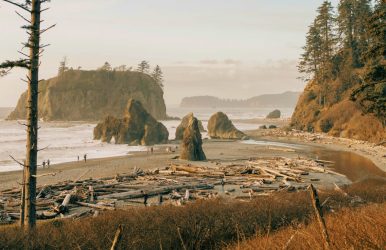
Designated as a UNESCO World Heritage Site in 1981, the Olympic National Park covers an area of 922,650 acres. Also, 95 percent of this national park is designated wilderness.  Further, it is a rare coexistence of temperate rainforest and Alpine highlands. Also, you will find many lakeshores here. Moreover, when at the park, you can see the Pacific Coastline, which is pristine and wild. In addition, the National Park is home to snow-capped mountains like Mount Olympus, Mount Deception, and Mount Constance.  It will be an endless discussion if I talk about the attractions in the Olympic National Park. So, I decided to write an account of how I spent my day here. Entry Fee: $10 for Each PersonEntry Fee for Vehicles: $25Visitor Centers: Hoh Rain ForestHurricane RidgePort AngelesLake Quinault A Day At The Olympic National Park: Exploring The Best Views And Trails  The Olympic National Park, with its designated wilderness, has many amazing viewpoints. Of course, the Hurricane Ridge is the best sport to cherish a 360-degree view of the park.  Further, if you are here for some serious adventure, you can trek to Mount Storm King for a panoramic view of the park and its surroundings. Moreover, hiking through the steep trails and switchbacks is completely worth it. As you conquer the elevation of 609 meters, you will find the surreal Lake Crescent below. The water of the lake looks deep blue. Also, if you want to visit the shores along the Pacific Coast, you can visit Kalaloch and Ruby Beach. In addition, these are the places or hotspots in the Olympic National Park. 1. Hurricane Ridge Hurricane Ridge, a famous spot in the Olympic National Park for beautiful views, is also home to Olympic marmots. It comes with an elevation of 2064 meters, and it is at the epicenter of many adventurous activities in the park. Snowboarding and skiing are the most popular adventure activities here. Moreover, in the spring season, Hurricane Ridge gets filled with wildflowers.  2. Lake Crescent The thousand-year-old lake at the Olympic National Park will take you on a time travel. You can have the most immersive experience her,e looking at the icy blue water of the lake. Further, if you are looking for something adventurous, you can try camping, boating, and hiking here.  Moreover, Lake Crescent is home to the Crescenti Trout. You will hardly find this species of fish anywhere else in the world. Beardslee is another species of fish only found in Lake Crescent. You will find many hiking trails near Lake Crescent. I loved the walk to Marymere Falls.  3. Sol Duc Falls The Sol Duc Valley in the Olympic National Park comes with many hiking trails. Among them, the path leading to the Sol Duc Falls is the most beautiful. You have to walk for around a mile to reach the waterfall.  You can even hike to Mink Lake or the Lover’s Lane to see Sol Duc Falls. However, these are longer routes in comparison to the trail starting from the Sol Duc Valley.  Moreover, as you reach the Sol Duc River here, you will find coho salmon in abundance. If you visit the place from late October to late November, you will find salmon leaping over the waterfall to reach the river. The place is famous as Salmon Cascades Overlook.  4. Peabody Creek Trail The Peabody Creek Trail is a short nature trail near the Olympic National Park Visitor Center. The trail starts from the parking lot, and it is a path in the park that you can access year-round. As you walk through the trail, you will find many picnic benches. So, it is a great place to explore with your family.  The trail loop with a moderate difficulty level will take you to Peabody Creek. Once you reach the destination, you can stick to the North and start hiking on the adjacent Aldwell Nature Trail to return to the Visitor Center.  Overall, it is a 5.2-mile hike and back journey.  5. Mora and Rialto Beach When you are immersed in the beauty of Lake Crescent and make a further move, go to the southwest. At a distance of 40 miles, you will find Mora and Rialto Beach. Here, you will experience how powerful nature can be. Also, the experience I had here is “dramatic” or “intense.” Moreover, when you are at Mora and Rialto Beach, you will see the best marine animals, like whales, sea lions, otters, eagles, and different seabirds.  If you want to spend longer at this pristine place and soak in the energy here, you can plan camping. You can even hike through the James Pond Trail.  6. Staircase The Olympic National Park has this staircase on its southeastern corner. As I visited this place, it felt like entering a kingdom of douglas fir. Further, here, you will find the Skokomish River. Many hiking trails run along this river to the forests.  You must take a walk through the trail over the bridge leading to the North Fork Skokomish River. Hiking through the old forest is the most serene experience you can expect.  The Shady Lane Trail is another path, and at the end of this trail, you will find the most beautiful Lake Cushman. Moreover, if you are ready to walk those extra miles and take some serious challenges, you can plan a hike to Flapjack Lakes.  When you are tired of hiking or exploring the Staircase at Olympic National Park, you can enjoy a relaxing bath at the swimming spots.  7. Olympic National Park Main Visitor Center And Wilderness Information Center https://www.instagram.com/p/CvP2IpYLM8o/?img_index=1 The Olympic National Park Main Visitor Center And Wilderness Information Center will be your first stop as you start exploring the national park. Here, you will see the “Mosaic of Diversity.” It is an orientation film about the diversity and beauty of the park. Further, if you are traveling with kids, they will have the most amazing time at the Discovery Room. After knowing about the cultural and natural history of the park, you can make your move to visit the other attractions. The Visitor and Information Center remains open from 8 AM to 5 PM every day and the knowledgeable rangers and staff there will guide you in your journey to the park. As you step out of the visitor center, you will find two short nature trails leading to different parts of the park. Also read Why Include Whale Watching In Your LA Itinerary. Traveling On A Budget: Tips For Affordable Adventures. From Cocktails To Kickflips: Must-Try Activities In San Diego.

READ MORE national parks in oregon

Top 10 National Parks In Oregon That You Need To Explore In 2024!

BY  Ankita May 31, 2023

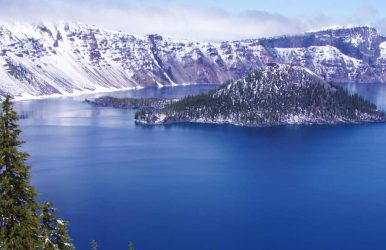
Are you searching for the best national parks in Oregon? If the answer to this question is a YES, then you have reached the right place! The state of Oregon, which is blessed with magnificent scenery, nature, and landscapes, is situated in the US's Pacific Northwest. It has a wide range of attractions to offer. There are stunning mountains and picturesque shoreline to lush woods, vast deserts, and intriguing canyons. Oregon is a destination for outdoor enthusiasts due to its remarkable variety of landscapes. It has plenty of amazing hiking, camping, and animal viewing to be experienced anywhere you go. In this article, I will be talking about one such natural wonder— the national parks in Oregon! S, if that is something that you are searching for, there is one thing you need to do. And that is to keep reading this blog till the end… Top 10 National Parks In Oregon That You Must Visit! Despite having just one national park, Oregon is not short on beautiful landscapes. The state is full of natural beauties, including a fossil-rich desert, gorges, untamed rivers, and 360 miles of public coastline. In this article, I will be focusing on the top ten national parks of Oregon that you must visit. So, if that is something that you have been searching for, then you will find this blog to be of great help! Keep reading this article till the end to learn more… 1. Crater Lake National Park As one of the deepest and clearest lakes in the world, Crater Lake National Park in western Oregon is well-known today. But 7,700 years ago, the eruption of Mount Mazama, which formed Crater Lake, is probably one of the largest geologic catastrophes ever. After Mount Mazama erupted, it fell, leaving a crater more than 1,200 meters deep. It measured 8 kilometers north to south and 10 kilometers east to west. The crater subsequently filled with rain and snowmelt. The Crater Lake is awe-inspiring, and that is why it is the first one on the list of the best and most visited national parks in Oregon. Native Americans saw it form nearly 7,700 years ago when a powerful eruption caused a lofty mountain to collapse. Its purity and popularity as the deepest lake in the United States. It is also one of the most pristine lakes on the planet, nourished by snow and rain, astounds scientists. Photographers, artists, and tourists love the breathtaking location and crystal-clear water above the Cascade Mountain Range. 2. California National Historic Trail The California National Historic Trail, is situated geographically near a number of towns and states. With state map illustrations and driving instructions, modern auto tour routes closely resemble the historic road(s). It offers opportunities to find the trail's remains and important resources. Insight into life on the trail is provided by fascinating tales. It recorded incidents of immigrants, businesspeople, missionaries, and fortune seekers. During the 1840s and 1850s, more than 250,000 people made the largest mass migration in American history. They moved to the gold fields and fertile farmlands of California. The more than 5,000-mile-long California National Historic Trail passes through parts of ten states. Over 1,000 miles of ruts and tracks left by travelers and their overland wagons allow you to walk through history. 3. Ice Age Floods National Geologic Trail Glacial Lake Missoula, a 3,000 square-mile body of water encircling Missoula, Montana, is the result of an ice dam in northern Idaho at the conclusion of the last Ice Age, between 18,000 and 15,000 years ago. Floodwaters burst open when the dam broke, traveling across Washington, Oregon, and the Columbia River before reaching the Pacific Ocean. The Ice Age Floods affected the people, and the terrain of the Pacific Northwest, profoundly. The majority of geologists thought that glaciers and streams slowly eroded rock formations to create Washington's Channelled Scabland. Geologist J Harlen Bretz postulated that cataclysmic floods were responsible for the formation of the Channelled Scabland after finding geologic data that contradicted this theory. Bretz's theory was initially mocked, but it was later proven correct thanks to new technology like satellite photography. By the 1970s, everyone agreed that the Ice Age Floods were to blame for the ravaged terrain of the northwest United States. Today, the terrain is littered with remnants of these Ice Age Floods, including massive basalt coulees ND massive dry falls. It also has big boulders that have traveled hundreds of miles, high water lines, and tremendous current ripples. The Ice Age Floods National Geologic Trail includes spectacular examples of cataclysmic flood geology, breathtaking landscapes, and locations for scientific study. 4. Lewis And Clark National Historical Park The Lewis and Clark National Historical Park is tucked away in northwest Oregon, close to the Washington state line, just south of Astoria. It honors the remarkable accomplishments of the well-known couple who traveled the United States by bearing their names. It was at this picturesque location that Lewis and Clark finally brought their expedition to a close. They set up camp for the winter of 1805, with everything from thick rainforest and magnificent coastline panoramas to portions of the Columbia River and Pacific Coast. A copy of Fort Clatsop and a visitors center are located in the historical park. You can learn all about their journey here. They both contain intriguing artifacts and displays. Its woodlands also offer some fantastic hiking opportunities, and kayaking, fishing, and wildlife viewing are all very popular. 5. Valley Of The Rogue River State Park The Rogue River in Oregon is appropriately called and is the next one on the list of national parks in Oregon. It flows through the state's southwest and is famous for its untamed rapids, untamed beauty, and legendary salmon runs. The thirty-five-mile stretch that goes downstream from the Grants Pass is one of the best whitewater runs in the nation. Visitors can also explore the Rogue on foot along the Rogue River National recreation path. It follows the river for more than 80 miles. With a rafting-supported backpacking trip, you may explore the entirety of Rogue in one fell swoop. It is available from many local outfitters. Rafts carry camping gear downstream and give weary hikers the chance to float down the river. The Rogue River is famous for its salmon, steelhead, and rainbow trout fishing, and a number of dams have been demolished recently to reopen fish migratory routes. 6. Oregon National Historic Trail If you were an immigrant heading to Oregon, would the promises of luscious farmlands and a fresh start tempt you to leave your home and trek for days? The Oregon National Historic Trail, which spans more than 2,000 miles across six states, still bears witness to the sacrifices, tribulations, and victories of early American settlers. A number of African Americans traveled to Oregon as pioneers. Some did so voluntarily as free people, while others faced coercion as slaves. Between the 1840s and 1860s, hundreds of people certainly made it to Oregon. With state map illustrations and driving instructions, modern auto tour routes closely resemble or follow the historical road(s), offering opportunities to find the trail's remains and important resources. Thousands of wagon wheels and hooves moving west ran over the land, pounding the surface. Known as waggon ruts, their remnants can take a variety of forms depending on the kind of soil and the long-term impacts of water erosion. Visiting a trail rut and traveling back in time is one of the best ways to experience the Oregon Trail. Fortunately, you may still find places today where you can have that experience. 7. Oregon Caves National Monument And Preserve The magnificent "Marble Halls of Oregon" are tucked away in the Siskiyou Mountains. The Oregon Caves National Monument and Preserve is a well-liked and remarkable tourist destination that is located in the southwest of the state, close to the California border. The lovely cave complex, which was formed millions of years ago, glitters and shines before your eyes, with spectacular formations and exquisite stalactites and stalagmites everywhere you turn. Exploring the caverns' vast halls, fantastic passages, and dark depths while on tour is an excellent way to learn more about their history and geology. Even while the unusual underground tunnels are the main draw, the surface is just as fascinating, with sparkling rivers and streams meandering through the forest. The gorgeous preserve is the perfect location for nature enthusiasts, offering hiking, hunting, and animal viewing. 8. Nez Perce National Historic Trail The Nimiipuu (Nez Perce) people have lived in the prairies, valleys, plateaus, and mountains of the inland northwest since the beginning of time. They were incredibly tenacious, surviving the American colonization and adapting to a new world. A non-traditional national park, Nez Perce National Historical Park is made up of 38 sites that collectively depict the tale of the Nimiipuu (Nez Perce). These sites are dispersed throughout a large portion of the Nimiipuu people's modern-day homelands in Idaho, Montana, Oregon, and Washington. The visitor centers in Lapwai, Idaho, the Big Hole National Battlefield near Wisdom, Montana, and the Bear Paw Battlefield near Chinook, Montana, all have staff on hand. It might require a significant amount of time and travel over many hundreds of miles to see all the park's attractions. There are 38 locations in the Nez Perce National Historical Park that are significant to the history and culture of the Nimiipuu. Examine these locations. Find out their tales. There is just so much to do here! 9. Fort Vancouver National Historic Site This park has a rich cultural history and is on the north bank of the Columbia River, in view of snow-capped mountain peaks and a bustling urban environment. Four distinct locations share history, ranging from a frontier fur trade post to a significant military legacy, the wonder of flying, and the beginnings of the American Pacific Northwest. Learn about tales of change, settling, conflict, and community. The enormous collection of archaeological artifacts, historical artifacts, and archival records kept at Fort Vancouver National Historic Site helps to tell the site's tales. Native Americans from before and after European contact, the Hudson's Bay Company fur trade, the United States Army, early military and civilian aviation at Pearson Field, and the Kaiser Shipyards are all represented in the museum collection. In the midst of the bustling City of Vancouver, the Fort Vancouver National Historic Site is a haven of natural beauty and history. This National Historic Site includes a number of dog-friendly routes as well as a summer Bark Ranger programme for tourists and their canines. On the grounds of Fort Vancouver National Historic Site, have a picnic. The park has a number of picnic sites that are accessible from sunrise to dusk. 10. Oregon Dunes National Recreation Area The last one on the list of the best national parks in Oregon is the Oregon Dunes National Recreation Area. The vast majority of Oregon's coastline is stunningly rocky and rugged, but this 40-mile stretch of beach between the Coos and Siuslaw rivers is home to the continent's greatest stretch of coastal sand dunes. Windswept dunes that rise 150 meters above sea level here are perfect for hiking, whale viewing, riding horses, and off-roading. Both developed campsites and undeveloped locations along the Siltcoos river offer camping options. Both developed campsites and undeveloped locations along the Siltcoos river offer camping options. Reservations are advised for the state parks of Umpqua Lighthouse to the south and Jessie M. Honeyman to the north, which both provide additional sites. The quieter regions with just foot traffic are kept apart from the areas for motorized off-highway vehicles by Oregon Dunes admirably. The largest off-road area, if you're into it, extends between Spinreel Campground and Horsfall Road. While exploring the dunes on foot, by horseback, or in a dune buggy is a lot of fun, the recreation area also offers a number of campsites for visitors to use. Fishing and canoeing are also very popular here. With so much to see and do, it's a wonderful spot to travel to. Wrapping It Up! In case you were searching for the best national parks in Oregon, I hope that this article has been of help to you. If there are any other queries related to the same, feel free to let me know. All that you need to do is scroll down till you reach the bottom of the page. Then leave your comments and queries in the box below.

READ MORE card-img

Exploring Wildlife At Yellowstone National Park: Know The Mammals, Reptiles, Birds, Fish And More

BY  Sibashree Nov 11, 2024

The wildlife of Yellowstone National Park is as fascinating as its geology. So, along with the geysers, many tourists also visit this park to explore its wildlife. The grizzly bears, wolves, bison, and more make the park the biggest concentration of mammals in the lower 48 states. However, the park is also a popular birder hub with ospreys, eagles, and falcons. You just need to know the spots well to encounter these wild creatures, with respect, of course.  Here, I will give you a brief idea about the mammals, birds, reptiles, amphibians, and fish found in this park. I will also share where to spot them.  Mammals You Will See At Yellowstone National Park May to June or spring is the ideal season for watching mammals at Yellowstone National Park. You will especially get to see many bears and wolves in this season. Further, at the advent of the fall season, this park has elk bulls in great numbers.  Moreover, mammals like elk, bulls, and bison are also visible in the park in winter. Winter is also a great time to glimpse the Lamar Valley wolves. So, watching wildlife at Yellowstone National Park is a year-round activity.  Tour and Travel Tips For Wildlife Watching At Yellowstone National ParkTrek the park in the early morning or evening to have better visibility of the wildlife. The temperature remains moderate during these hours of the day.Further, you will need spotting scopes or binoculars to see the wild animals.Maintain at least 25 yards of distance from elk, bison, and other wild animals. However, for bears and wolves, you must maintain at least 100 yards of distance.  Let’s learn about the most prominent mammals in the park in detail.  American Bison Where to Find: Lamar and Hayden Valleys and the Grasslands Best Time to Find: July to August Did you know that bison in Yellowstone make up the largest (remaining) bison population on American public land?  The biggest mammals of the park, bison, have been there since pre-historic times. A male bison weighs 1,800 pounds on average, while the weight of a female bison is close to 1300 pounds.  Black And Grizzly Bears Where to Find: Mammoth and Tower Areas (Black Bear) and Lamar and Hayden Valleys (Grizzly Bears) Best Time to Find: May to June Black and grizzly bears co-exist in many parts of the national park. Grizzlies are bigger than black bears, with a hump on their shoulders and a rounder face. Bear safari is a popular activity in the park. However, you need to maintain a distance of at least 100 yards and follow all safety regulations, as bears can get violent, especially when they are with their cubs.  Elk Where to Find: Lamar Valley, Madison Canyon, Mammoth Valley Best Time to Find: September to November Due to the impressive antlers, elks are probably the most photographed animals in this national park. Do you know that the antler of an elk can grow up to 6 feet? Moose and deer, closely related to elks, are other prominent park mammals. Moose is the largest of the Cervidae family, and elks are the second largest.  Further, moose are seen in the park’s marshy areas and near water bodies. Bighorn Sheep Where to Find: Gardner Canyon and Near the Yellowstone River Best Time to Visit Bighorn Sheep in Yellowstone National Park - November and December The large and curved horns of bighorn sheep make them stand out. You will find these horns on the males. Bighorn sheep live in a herd, and in the fall season, the males get involved in loggerheads to win over their female companion.  There is one fascinating fact about bighorn sheep. When a baby bighorn sheep (lamb) is born, it can climb and walk within one day. Wolves Where to Find: Throughout the Park Best Time to See Wolves: May to June Around 100 wolves live in the Yellowstone National Park. Leopold packs, Yellowstone Delta, and Slough Creek are the biggest wolf packs in the park.  Wolves are native to the park. However, in 1995, they were re-introduced here.  Along with the types discussed, you will also find mammals like coyotes, martens, red foxes, wolverines, mule deer, marmots, and more in the park. Overall, around 67 species of mammals live here.  Amphibians In Yellowstone National Park Thanks to a unique geology, there are various ponds and wetlands across the Yellowstone National Park. Here, you will find the following varieties. Boreal Chorus Frog Western Tiger Salamander Western Toad Columbia Spotted Frog Plains Spadefoot Toad Further, these amphibians play a crucial role in the maintenance of the terrestrial and aquatic ecosystems of the park. Many mammals, birds, reptiles, and even fish prey on them. Also, they eat many vertebrate and invertebrate creatures to balance the food chain. Moreover, the amphibians in the park are indicators of high pollution rates or changes in the weather. They even indicate the advent of diseases and the arrival of any nonnative species.  So, research on amphibian populations in the park is crucial to know about any impending danger that may affect the ecosystem.  Reptiles At Yellowstone National Park Yellowstone has six species of reptiles. However, there is a greater scope for studying and identifying these reptiles. As of today, the reptile species found in the park are: Terrestrial garter snake Common garter snake Rubber boa Prairie rattlesnake Bullsnake Sagebrush lizard Prairie rattlesnake is the only venomous snake in the park, while bullsnake is the largest variety found here. Yellowstone National Park: A Birder’s Paradise A 2018 survey in Yellowstone National Park announced the presence of 82 species of birds in the park.  Further, the species of birds here are varied, and the table below mentions the variety you will come across in the park. OwlsNorthern saw-whet owl Northern pygmy-owlBoreal owl Great-horned owl EaglesBald eagleGolden eagleColony Nesting BirdsPelicanHeronsIbisesSong Birds Ruby-crowned kinglet American RobinDark-eyed junco You will also find birds like woodpeckers, ducks, geese, swans, falcons, and ospreys in this national park.  Fish In Yellowstone National Park Yellowstone National Park is home to many native and non-native fish species. Eastern Brook Trout, brown trout, lake chub, rainbow trout, and lake trout are some non-native fish species in the park. Further, this park has native fish species, such as mountain sucker, speckled dace, Utah chub, Redside Shiner, etc.  Human Imprint On Yellowstone National Park  The home to Native Americans, Yellowstone National Park displays a human tapestry of almost 11000 years. The natives of the place have survived on hunting and fishing. Further, they have known the medicinal properties of the herbs available in the park. In addition, the healing properties and religious importance of the thermal water here had a major impact on the local human lives.  Yellowstone National Park: At A Glance  How to Reach Yellowstone National Park: Reach the Yellowstone Airport and take a cab or bus to Yellowstone National Park. Highest Point: Eagle Peak Established: 1st March 1872 Designation: UNESCO World Heritage Site for “globally unparalleled assemblage of surficial geothermal activity.” Entry Fee: $25-80 based on the entrance pass  Visitor Centers: Albright Visitor Center, West Yellowstone Visitor Information Center, Grant Visitor Center, etc.  Also read Why Include Whale Watching In Your LA Itinerary. Traveling On A Budget: Tips For Affordable Adventures. From Cocktails To Kickflips: Must-Try Activities In San Diego.