

Planning Your Egypt Tour: Expert Answers to the Most Common Traveler Questions

Oct 27, 2025

Last Updated on: Oct 29, 2025

Travel Guides

If you’ve been dreaming of standing before the Great Pyramids, sailing the Nile, or exploring ancient temples, you’re not alone. Egypt continues to rank among the world’s top travel destinations — a land where history, culture, and adventure come together like nowhere else.

To help you plan your perfect Egypt tour, we’ve compiled answers to the most common questions travelers ask before booking. Whether you’re wondering about the best month to visit, safety, cost, or ideal itineraries — this guide will help you make confident, informed choices for your Egypt adventure.

What Is the Best Tour Company for Egypt?

The best tour company for Egypt depends on the experience you’re seeking. If you’re looking for luxury, cultural depth, and expert-guided itineraries, Delta Tours Egypt stands out as one of Egypt’s top-rated operators.

With over 40 years of experience in Egypt travel, Delta Tours Egypt offers fully customizable Egypt tours — from classic Nile cruises and desert adventures to private luxury experiences with five-star accommodations and certified Egyptologists.

Which Is the Best Tour Operator for Egypt?

When choosing a tour operator, focus on expertise, licensing, and reputation. Delta Tours Egypt is licensed by the Egyptian Ministry of Tourism and has earned excellent reviews for professionalism and personalized service.

They offer seamless coordination, English-speaking guides, air-conditioned transport, and curated itineraries that include must-see attractions like Luxor, Aswan, Abu Simbel, and the Grand Egyptian Museum.

What Is the Best Way to Tour Egypt?

The best way to explore Egypt is to combine land and river experiences. Most travelers start in Cairo, visiting the Pyramids of Giza, the Sphinx, and the Grand Egyptian Museum, then fly or take a sleeper train to Luxor or Aswan for a Nile cruise.

A 4- or 5-day cruise between Luxor and Aswan allows you to visit iconic temples such as Karnak, Hatshepsut, Kom Ombo, and Philae, all while relaxing on a luxury vessel — a signature part of the Egyptian travel experience.

What Is the Average Cost for a Trip to Egypt?

A typical 8–10 day Egypt tour ranges between $1,200 and $3,000 USD per person, depending on your travel style:

  • Luxury tours: From $2,500+ (5-star hotels, Nile cruise, private guide)
  • Mid-range tours: Around $1,500 (4-star hotels, group tours)
  • Budget tours: As low as $1,000 (shared tours, standard hotels)

Flights, meals, and optional activities like hot air balloon rides in Luxor or Abu Simbel excursions may add to your total cost.

What Is the Best Month to Tour Egypt?

The best months to visit Egypt are October to April, when the weather is cooler and sightseeing is comfortable. December and January are especially popular — ideal for Cairo, Luxor, and Aswan exploration.

During these months, you can enjoy pleasant daytime temperatures (20–28°C / 68–82°F), perfect for outdoor touring and Nile cruises.

How Many Days Are Ideal for an Egypt Trip?

A 10-day Egypt itinerary allows you to experience the country’s highlights without rushing:

  • Days 1–3: Cairo – Pyramids, Sphinx, Grand Egyptian Museum
  • Days 4–7: Nile Cruise – Luxor, Edfu, Kom Ombo, Aswan
  • Days 8–10: Abu Simbel or Hurghada (Red Sea relaxation)

For those with limited time, even a 5–7 day Egypt tour can deliver an unforgettable experience.

What Not to Do in Egypt as a Tourist

Egypt is welcoming, but cultural respect goes a long way. Avoid the following:

  • Don’t ignore dress codes in mosques and rural areas — dress modestly.
  • Avoid political discussions or taking photos of military sites.
  • Don’t drink tap water; stick to bottled water.
  • Avoid scams by booking with verified tour operators like Delta Tours Egypt.

Small gestures of respect ensure a smoother, more authentic Egypt experience.

What Month Is the Cheapest to Visit Egypt?

For travelers on a budget, the cheapest months to visit Egypt are May, September, and early October — part of the “shoulder season.” Hotel rates drop by 20–30%, and popular attractions are less crowded.

If you can handle warmer weather, you’ll find unbeatable value in your Egypt tour packages during these months.

What Are the Hottest Months in Egypt?

The hottest months are June, July, and August, when temperatures can exceed 40°C (104°F) in southern cities like Luxor and Aswan. While still safe to visit, sightseeing is best done early morning or late afternoon.

However, beach destinations like Hurghada and Sharm El Sheikh remain comfortable thanks to Red Sea breezes — perfect for travelers who enjoy sun and sea.

Which Is the Best Month to Visit Egypt?

If you want the best combination of weather, crowd levels, and pricing, November, February, and March are ideal. These months offer mild temperatures and fewer crowds than the December peak.

You can enjoy the Grand Egyptian Museum, Pyramids, Nile Cruise, and Abu Simbel Temple at their most comfortable.

What Month Is Best to Visit the Pyramids?

The Pyramids of Giza are spectacular year-round, but for the most pleasant experience, visit between October and April. Morning visits offer cooler temperatures and better lighting for photography.

Arrive before 9:00 AM to beat the tour buses and enjoy the Sphinx and Pyramid Plateau in peace.

How Much Money Will I Need for Two Weeks in Egypt?

For a two-week Egypt tour, budget between $2,000–$4,000 USD per traveler, covering accommodation, transportation, entrance fees, meals, and guided tours.

A two-week itinerary might include:

  • Cairo & Giza
  • Luxor & Aswan (Nile Cruise)
  • Abu Simbel
  • Hurghada or Sharm El Sheikh

Luxury travelers can expect to spend more, while budget adventurers can comfortably manage with $1,500–$2,000.

Is It Safe for Americans to Travel to Egypt Right Now?

Yes, Egypt is generally safe for American tourists. The country’s main tourist areas — Cairo, Giza, Luxor, Aswan, and the Red Sea resorts — are secure and heavily monitored.

As with any international travel, it’s wise to exercise standard precautions: stay with reputable tour companies, follow local advice, and avoid remote desert areas without a guide.

Delta Tours Egypt ensures traveler safety by coordinating with licensed guides, trusted drivers, and official tourist authorities.

Why Egypt Should Be Your Next Adventure

Egypt isn’t just a destination; it’s an encounter with civilization itself. From the majesty of the Grand Egyptian Museum and the timeless grandeur of the Pyramids of Giza, to the spiritual calm of Philae Temple and the golden sands of the Valley of the Kings, every corner of Egypt tells a story thousands of years old.

Whether you’re seeking luxury or adventure, there has never been a better time to book your Egypt tour. With new attractions like the Grand Egyptian Museum opening and enhanced tourist infrastructure, Egypt welcomes visitors with open arms.

Plan Your Journey with Delta Tours Egypt

Experience Egypt like never before with Delt Tours Egypt — a family-founded agency with decades of expertise in luxury, classical, and custom Egypt tours.

From the first hello at Cairo Airport to your farewell on the Nile, every detail is crafted with care, professionalism, and passion.

Plan your journey today and see why travelers call Delta Tours Egypt “the heart of Egyptian hospitality.

Share on Social Media

Sibashree is a travel, culture, and leisure writer who has been writing since the age of 12 and professionally since 2014. With more than a decade of travel writing experience and journeys across India and several parts of the world, she brings a deeply personal and thoughtful perspective to her work. A student of English Literature and Mass Communication, Sibashree has always viewed travel as more than movement — for her, it has been a way of understanding people, cultures, and herself. Her passion for spiritual exploration has also led her to many unusual and meaningful destinations over the years. Outside of writing, Sibashree enjoys watching European cinema, reading about global politics, and reflecting on the stories hidden within everyday places.

Leave a Reply

Your email address will not be published. Required fields are marked *

title-img Related

READ MORE things to do in malacca

What Are The Unique Things To Do In Malacca? Know The Malacca Tourist Attractions 

BY  Sibashree Jan 28, 2026

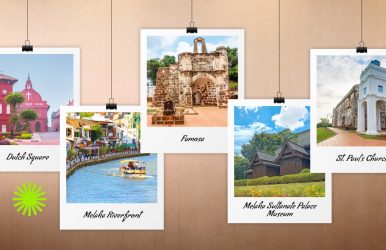
Malacca gave me pieces of history, an insane fusion of cultures and cuisine that I can still remember now, and plenty of tourist attractions with meaning behind them.  There are many similarities between Georgetown, Penang, and Malacca – I hear that line all the time – but Malacca has a quieter atmosphere that you can feel when you walk through the streets. For starters, Georgetown and Malacca are both UNESCO World Heritage sites. You have no excuse not to visit either of these cities.  Malacca is located right between Singapore and KL, and it’s also a convenient spot to visit if you’re going to be in the area. Alright, no excuses. Need to visit Malacca in a day? Yes, you can definitely visit it on a day trip if you’re coming from Kuala Lumpur. I’ve also compiled a list of things to do in Malacca! How To Reach Malacca? Malacca can be found on the southeastern coast of Malaysia. The city lies nearly midway between Kuala Lumpur and Singapore, though it is slightly nearer to KL.  Buses to Malacca operate from Kuala Lumpur and Singapore, in addition to routes from Penang. You can also catch buses directly from KL Airport if you prefer not to spend time traveling there.  As I stated, taking a day trip from KL to Malacca is quite simple. How To Get Around Malacca? Although walking was my favored way to navigate Malacca, there are other alternatives available.  You can effortlessly arrange light-up rickshaws, taxis, and Grab ride shares to navigate the city.  If you’re coming to Malacca by bus, check if your hotel offers a free shuttle, as mine does.  If not, since Malaka Sentral is 3km away from Jonker Street, you'll have to use a taxi or take the local bus. Where To Stay In Malacca? Determining accommodation in Malacca should be straightforward if you concentrate on Chinatown.  There is no shortage of budget accommodations in Malacca, and I happily recommend Hotel Hong.  Simple and affordable, the employees were pleasant, and it was located in a fascinating neighborhood near the community mosque.  It contributed to making my time in Malacca a pleasant experience. What Are The Unique Things To Do In Malacca? Malacca's diverse cultures have influenced its captivating history, food, and architecture.  There are numerous activities in Malacca that allow you to discover these aspects of the city even more. View these eight as your foundation. 1. Exploring The Dutch Square Dutch Square is likely the ideal location to begin a visit to Malacca as it lies at the heart of the city's historic center.  Situated by the city's riverbank, this square is visually striking and carries historical importance.  At the center of Dutch Square lies a lively garden and fountain that are pleasant, but the stunning Dutch colonial buildings surrounding this square are the true highlight.  Painted uniformly in an earthy red hue, it's improbable you ever envisioned Malaysia resembling this.  However, Malaysia has many reminders of its colonial history, just like Malacca. This assortment of reminders truly possesses an impressive appearance. The primary attractions of Dutch Square include the Stadthuys, Christ Church Melaka, and the Malacca Clock Tower.  All were constructed in the 17th century by Dutch settlers, thus the square's name.  The Stadthuys, previously the home of the Governor, now contains an ethnographic museum. 2. Climbing To St. Paul’s Church As you ascend the side of the Stadthuys, you ought to notice a tiny staircase leading up the hill a little.  As you progress along this path, you’ll make your way to the summit of the hill and the atmospheric remains of St Paul’s Church.  The remnants of this roofless church hold a prominent position atop St Paul’s Hill, offering views across much of Malacca.  It's not a very challenging hike, and the church serves as a natural pause along the Malacca sights trail. Originally constructed by the Portuguese in the 1500s, it was harmed, restored, and renamed by the Dutch when they seized Malacca in the 1600s.  For more than a hundred years, the church has remained in decay, its stained walls serving as a testament to Malacca's intricate history. Additional reminders can be discovered by taking the northern route down from St Paul’s Hill, where you will come across several tombstones and the Dutch Graveyard. 3. Exploring A Famosa Before the Dutch came, Malacca was a fortified settlement of the Portuguese known as A Famosa. Numerous walls and fortifications from A Famosa were destroyed during the Dutch conquest, but Portuguese traces remain in several sites. Among the defenses, only the Porta de Santiago gate is still preserved. Capturing a picture here is undoubtedly one of the most popular pastimes in Malacca. 4. Taking A Tour Of The Melaka Sultanate Palace Museum Let’s not forget that before European settlers showed up, people were already living here.  The Malacca Sultanate ruled this area for over a century before the Portuguese ever set foot on these shores. When the Portuguese landed in the early 1500s, they didn’t waste any time. They tore down the sultan’s palace and put up St Paul’s Church right where it stood. Now, if you walk around Malacca, you’ll come across what looks like a real Sultanate Palace. Here’s the thing: it’s not the original.  The Melaka Sultanate Palace you see today is a detailed reconstruction from the 1980s. The reconstruction work took the old records as a guide.  Inside, there’s a museum that really dives into the culture and history of the city. Stroll through the gardens or check out the museum’s exhibits—you’ll see plenty about local traditions, clothing, legends, and more.  Honestly, it’s one of the most interesting spots to visit if you want to get a real feel for Malacca’s past. 5. Seeing The Melaka Riverfront Although there are more famous attractions in Malacca, the river undeniably stands as the city's primary landmark.  Winding through the larger city before dividing the Old Town from the colonial areas, the Melaka River is difficult to overlook.  When Malacca was a prominent port city, the river played a role in its prosperity. Nowadays, it fulfills its role by providing guests with river cruises and beautiful views. 6. Eating At Jonker Street Undoubtedly, no street in Malacca is more renowned than Jonker Street.  While it often appears to be just a primary road in the Old Town, the atmosphere shifts significantly on Friday and Saturday nights.  You see, that’s when the renowned Jonker Street night market takes place, and the street transforms into a crowd of people and food vendors.  Naturally, with my luck, I ended up overlooking this important attraction entirely by visiting at the wrong point in the week.  The Jonker Street night market is an excellent spot to sample traditional local Nyonya dishes along with innovative new foods.  To get a sense of what’s available, try the food here.  7. Wandering Through Old Chinatown However, the Old Town of Malacca offers much more than merely Jonker Street. Venture in any direction from this point and you'll quickly discover tighter streets, where each home exudes unique charm.  Half Chinatown and half Old Town, this district reveals another aspect of Malacca’s cultural blend.  Most impressively, distanced from the hustle of other areas in Malacca, strolling through this more tranquil section of the city allows you to absorb all the intricacies.  Although many of these historic residences feature weathered exteriors, several are completely deserted.  But isn’t that character, though? In any case, the softer atmosphere here is evident, with individuals simply going about their daily routines and extending a cheerful wave.  Malaysia can be chaotic and noisy at times, making my walks here distinctly memorable.  8. Visiting The Cheng Hoon Teng Temple Walk around the streets of Malacca’s Chinatown, and you’ll spot plenty of temples—no surprise there.  But it’s not just Chinese temples lining the streets. You’ll also find mosques and Hindu temples mixed in, which gives the area this cool, unexpected blend. In Malacca, Cheng Hoon Teng Temple stands out above the rest.  It sits right across from another temple, Xiang Lin Si, but Cheng Hoon Teng is the one with the real history behind it. They built it back in the mid-1600s, which actually makes it the oldest Chinese temple in Malaysia. When you look at all the intricate details, the carvings, and the roof ornaments, it’s wild to think how well everything’s held up after all these years. Cheng Hoon Teng does not belong to just one religion.  Inside, you’ll find people practicing Taoism, Confucianism, and Buddhism, all under one roof. That kind of mix is rare, and it gives the temple a unique energy you don’t see everywhere. Other Places You Can Add To Your Itinerary In Malacca Although I’ve mentioned the most remarkable and significant activities to engage in Malacca, they aren't the sole options.  Malacca hosts numerous other cultural sites, featuring a variety of museums. However, it also features a playful aspect, ranging from its Upside Down House to the Taming Sari Tower to the Oceanarium.  Generally, you will primarily remain in locations close to Chinatown or Dutch Square. Read Also: Luang Prabang Temple Guide: What Are The Top Buddhist Temples To Visit In Laos? 5 Top Bangkok Attractions to Add to Your Itinerary 5 Best Temples To Visit In Bangkok

READ MORE Yacht Crew

How Much Does Yacht Crew Make

BY  Arnab Jun 30, 2023

Embarking on a luxurious yacht journey is an experience like no other, and behind the scenes, a dedicated crew works tirelessly to ensure guests have an unforgettable voyage. You're not alone if you've ever wondered how much these hardworking yacht crew members make. In this comprehensive guide, we'll delve into the fascinating world of yacht crew salaries, exploring factors influencing their income, such as yacht size, experience, location, and various roles within the crew. From captains to deckhands, we'll uncover the earning potential in this alluring industry and shed light on additional compensation, like tips and bonuses. So, you may start to rent a yacht and set sail with us as we navigate the rewarding waters of yacht crew salaries. Yacht Staff Departments Their Roles and Salaries Luxury yachting is synonymous with opulence, relaxation, and unforgettable experiences. However, behind the scenes, a dedicated team of yacht staff members works tirelessly to ensure that every aspect of the voyage runs smoothly. This article will explore the various departments on a yacht and each staff member's vital role in creating a seamless guest experience and their salaries. 1. Deck Department The deck department is responsible for maintaining the yacht's exterior, ensuring its safety, and assisting with navigation. Key roles within the deck department include: Captain The captain is in charge of the overall operation and safety of the yacht. They oversee the entire crew, manage the yacht's itinerary, and ensure compliance with maritime laws and regulations. Their salaries can range from $48,000 to $180,000 annually, depending on yacht size, experience, and location. Small yachts (up to 24 meters or 79 feet): $48,000 - $84,000 Medium yachts (24-50 meters or 79-164 feet): $72,000 - $120,000 Large yachts (over 50 meters or 164 feet): $96,000 - $180,000 First Officer The first officer, the chief mate or chief officer, assists the captain with navigation, safety procedures, and crew management. They are second-in-command and assume the captain's responsibilities in their absence. The size of the yacht is a significant determinant of the salary range for Chief Officers and First Mates. Small yachts: $3,100 - $6,500 per month Medium yachts: $5,000 - $9,800 per month Large yachts: $7,000 - $14,200 per month Deckhands Deckhands are responsible for the upkeep of the yacht's exterior, including cleaning, painting, and varnishing. They also handle docking procedures, assist with water sports activities, and help with tender operations. Their estimated salaries range from $24,000 to $48,000 annually. Small yachts: $24,000 - $30,000 Medium yachts: $30,000 - $42,000 Large yachts: $36,000 - $48,000 2. Engineering Department The engineering department ensures the smooth operation of all mechanical, electrical, and plumbing systems on board the yacht. Read this article if you are an engineer and are interested in becoming a yacht engineer. Key roles within the engineering department include: Chief Engineer and Assistant Engineer:  The chief engineer is responsible for maintaining and repairing the yacht's engines, generators, air conditioning systems, and other critical equipment. They also oversee fuel consumption and ensure the yacht complies with environmental regulations. Assistant engineers support the chief engineer by performing routine maintenance tasks and assisting with necessary repairs. The estimated salaries for engineers can range from $36,000 to $120,000 per year, depending on their role, yacht size, experience, and location. Small yachts: $36,000 - $60,000 (Assistant Engineer) Medium yachts: $48,000 - $84,000 (Assistant Engineer); $60,000 - $96,000 (Chief Engineer) Large yachts: $72,000 - $120,000 (Chief Engineer) 3. Interior Department The interior department is responsible for providing exceptional guest service and maintaining the cleanliness and presentation of the yacht's interior spaces. Key roles within the interior department include: Chief Steward/Stewardess:  The chief steward or stewardess leads the interior crew and ensures that guests receive top-notch service throughout their stay. They oversee housekeeping, laundry, and meal service, as well as manage inventory and provisioning. Stewards and stewardesses assist the chief steward/stewardess in providing exceptional guest service. Their duties include serving meals, cleaning guest cabins, and attending to guests' needs. Their estimated salaries can range from $37,000 to $84,000 annually. Small yachts: $37,000 - $48,000 Medium yachts: $42,000 - $60,000 Large yachts: $48,000 - $84,000 4. Galley Department The galley department is responsible for preparing delicious and visually appealing meals for guests and crew members. Key roles within the galley department include: Executive Chef/ Sous Chef The executive chef oversees menu planning, preparation, and ensuring that all meals meet guests' dietary requirements and preferences. They also manage the galley staff and maintain food safety standards. The sous chef assists the executive chef in preparing meals and managing the galley staff. The crew cook prepares meals for the yacht's crew members, ensuring they have nutritious and satisfying meals. Their estimated salaries can range from $36,000 to $96,000 annually. Small yachts: $36,000 - $60,000 Medium yachts: $48,000 - $72,000 Large yachts: $60,000 - $96,000 It's essential to note that these salary estimates are subject to change based on market fluctuations, individual performance, and other factors. Yacht crew members may also receive tips, bonuses, and other benefits that can significantly boost their overall income. Final Thoughts In conclusion, the estimated salaries of yacht crew members can be rewarding and vary based on factors such as experience, yacht size, and location. With the potential for additional compensation through tips and bonuses, a career in the luxury yachting industry can be financially lucrative while offering the opportunity to work in a unique and exciting environment. Read Also: Yachting In Dubai – A Memorable Experience 10 Reasons Why You Should Get A Yacht In 2022

READ MORE 5 Popular 2 Week Treks in Nepal

5 Popular 2 Week Treks in Nepal

BY  Sibashree Mar 21, 2025

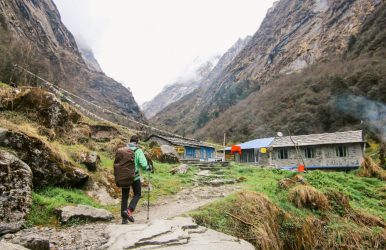
Nepal, a land of majestic peaks and fresh natural air is a dream destination for Trekkers around the World. Nepal holds the world's most prominent mountains and provides lasting trekkers with refreshing journeys through forests, tri-level fields, and snow-covered paths across its varied natural landscapes.  Nepal's many short trek routes like EBC, ABC, Manaslu Circuit Trek, Upper Mustang Trek and Annapurna Circuit Trek, let's all adventurous explore nature and culture in no amount of days. These five enjoyable Nepal treks below provide an excellent hiking experience over  just the time of two weeks.  1. Everest Base Camp Trek No journey can compare to the allure of Everest Base Camp Trek, one of Earth's most attractive hiking trails. As you travel up on this famous Moderate to Challenging difficulty level trail towards the heart of Khumbu, each step brings you closer to the world's highest mountain, Mount Everest. After landing in Lukla, travelers penetrate the Sherpa towns and dense rhododendron forests prior to crossing high altitude, glacier areas. As we move forward, Hikers reach Namche Bazaar, a lively mountain settlement with its delightful sights of prayer flags and teasing Everest views alongside Lhotse and Ama Dablam.  After this segment, the trail goes to Tengboche Monastery which preserves an old Buddhist heritage offering amazing views of Himalayan peaks. Starting the journey to Everest Base Camp tests your strength but promises you an icy and memorable encounter with High Mountain wilderness that carves into your memory. The Everest Base Camp trek runs for as little as a 12day period even despite its steep environment and altitude. Spring (March-May) and autumn (September-November) represent ideal times for this trek as the stable weather in this time frame lets you see the mountains in their best light. If you want to skip some days to get aerial view of the Himalayas, you can take Everest Helicopter Tour which gives you 30 minute of stunning mountain views including the Everest. 2. Annapurna Circuit Trek The Annapurna Circuit route leads trekkers across Nepal's diverse landscapes, from subtropical forests bottoms then high-elevation meadows then ending at the edge of the Himalayan range. The route circles Annapurna Massif, offering awe-spiring views of peaks likeAnnapurna Dhaulagiri, and Machapuchare. The highlight of the trek is one of the world's highest trekking passes, Thorong La Pass (5,416m). The ascent here is tough, but despite the steep climb people reach the top feeling proud, enjoying breathtaking views across the horizon. While walking along the trails, hikers discover villages influenced of  Hindu and Tibetan Buddhist traditions blended, experiencing the warmth of theGurung’s, Thakali, and Manang communities. Let’s not forget about Tatopani's natural hot springs. A dip here makes People experience relief from their tired muscles prior to heading to Poon Hill to witness one of the world's stunning sunrises over the Himalayas. This trek can be as long as 30 days, but we also have a 13 days route for this moderate to challenging Circuit trek. Advisable time periods would be March to May and September to November for an experience that is undisturbed by nature. 3. Manaslu Circuit Trek If you want to explore more remote and undisturbed trekking trails the Manaslu Circuit trek package stands out as a preferred route. The trek routes of the eight highest peaks in the World, Mount Manaslu (8163 meters) guides travelers through glacier rivers and scenic high-altitude passes. Unlike Everest and Annapurna, The Manaslu trail stands apart for it’s uncrowded and peaceful nature providing hikers perfect space for immersion in Nepal's unspoiled nature. The path follows original paths used by salt traders taking you through small Tibetan villages that have stayed true to their traditional ways since time immemorial. The most hard but fulfilling part is Passing through Larkya La La (5,106 meters) that requires physical fitness and endurance which results in incredible mountain views of Manaslu, Hiking Himal and neighboring peaks.  Trekkers find supreme enjoyment on the challenging Manaslu Circuit Trek. You need 14 days to complete this adventure and the advisable time period which offers optimal conditions would be from March to May and September to November. 4. Upper Mustang Trek This moderately difficult Upper Mustang Trek leads adventurers to Nepal's hidden land where trekkers encounter a stark contrast to Nepal's typical lush hillside regions. Also known as the “Last Forbidden Kingdom”, Mustang exists below the Annapurna range rain shadow, creating a beautiful desert-like landscape with deep canyons, eroded cliffs, and ancient caves. This trek feels like stepping in the past. This Ancient Tibetan territory holds centuries of Buddhist culture. Its many old monasteries, chorten temples, and traditional brick houses line its landscape. The walled fortress of Lo Manthang shows its whitewashed houses and royal palaces beside colorful fluttering prayer flags. The distinct features of this destination go beyond its special landscape. Mustang stayed hidden to foreign visitors until 1992, when they finally opened it to the public. The trek generally takes 14 days. The best experience would be between spring and autumn months, when the skies are clever and the weather dances mild. 5. Annapurna Base Camp Trek When seeking a quick but dazzling hiking adventure, the Annapurna Base Camp Trek represents an excellent choice.  In 14 days this trek brings trekkers deep into Annapurna Sanctuary, where a glacial amphitheater hosts Annapurna's peaks, including its main summit and four surrounding giants, Annapurna I, Annapurna South, Machapuchare, and Hiunchuli. The Annapurna region's lower slopes start with trails that run through cultivated fields, passing bamboo patches and traditional Gurung communities. Before the final ascent to the Annapurna Base Camp, hikers often stop to visit the Jhinu Danda for its natural hot springs.  This Moderate difficulty trek is indeed a little tough, but the 360-panorama view you'll get from here, that makes it all worth it.  The road to Annapurna Base Camp frequently links to Poon Hill, where trekkers enjoy the sunrise views above Annapurna andDhaulagiri ranges. The trek is suitable for both intermediate and advanced walkers. To make the Hike even more memorable, advised seasons to visit would be Spring and autumn. Final Say No other nations on earth have trekking routes that match the legacy of the Himalayan routes of Nepal. Whether you dream of the mighty Everest Base Camp, wish to explore the hidden routes and valleys of Mount Manaslu and Upper Mustang, or want to dive into the rich culture of Annapurna region. There's a trek for it all. All these treks mentioned are perfect for the time saving Travelers who want an unforgettable Himalayan exploration during their brief vacations. Each one can be completed within two weeks. A short adventure that leaves a long and lasting impact on your memorial lane.